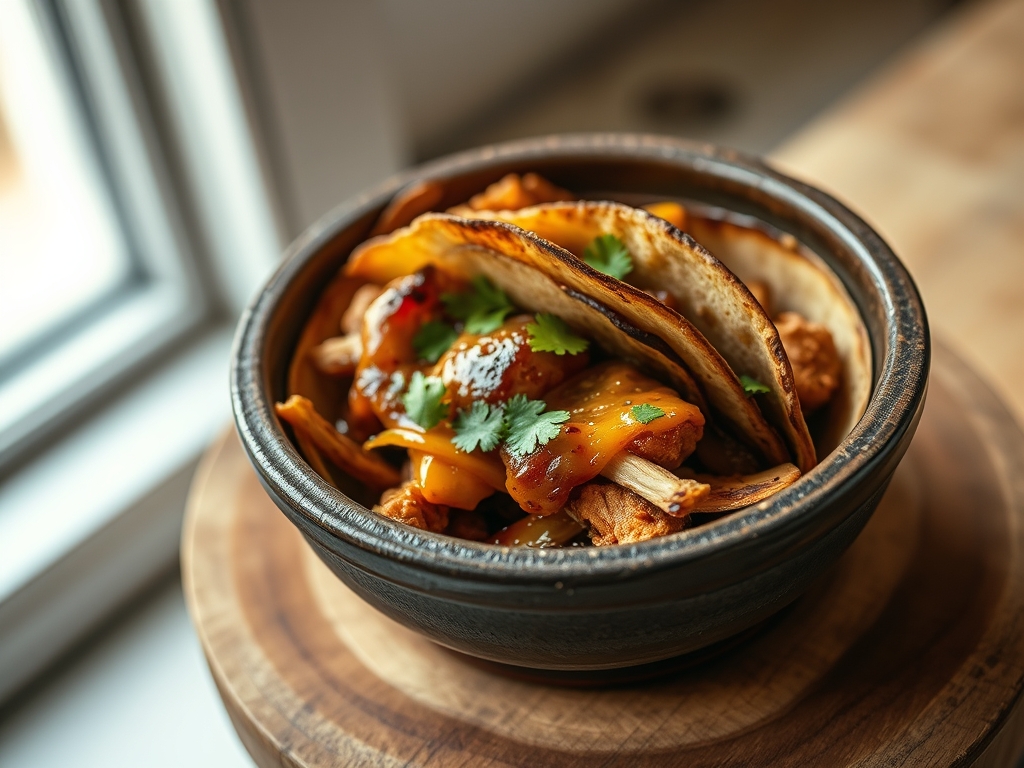
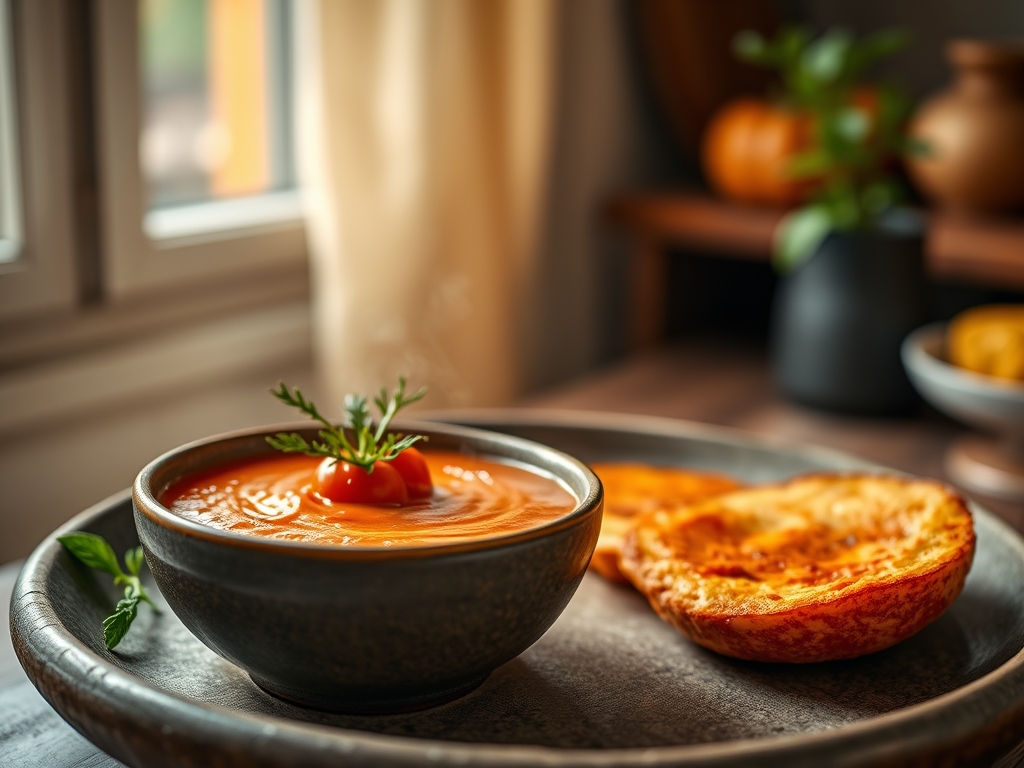
Listen to the high-pitched whine of the motor as it climbs toward 30,000 RPM. This is not merely lunch; it is a high-velocity mechanical transformation of cellular structures into a velvety, viscous masterpiece. We are here to audit the most efficient comfort food in the modern culinary arsenal: the Blender Tomato Soup. Forget the days of simmering heavy pots for hours on a low flame while the flavor profile remains stagnant. We are utilizing mechanical shear to force fats and liquids into a stable, creamy union that defies the traditional laws of separation. Imagine a piquant acidity balanced by the richness of high-quality lipids, all delivered at a temperature that commands respect. This audit demands precision, speed, and an understanding of how air interacts with liquid to aerate a soup into a frothy, luxurious texture. We are moving past the rustic and into the realm of the engineered. Prepare your station; we are about to turn raw botanical units into a liquid gold standard that will ruin canned alternatives forever.
THE DATA MATRIX
| Metric | Specification |
|---|---|
| Prep Time | 10 Minutes |
| Execution Time | 15 Minutes |
| Yield | 1.4 Liters (approx. 4-6 servings) |
| Complexity (1-10) | 3 (Low Technical Barrier) |
| Estimated Cost per Serving | $1.15 USD |
THE GATHERS
Ingredient Protocol:
- 800g / 28oz Whole Peeled San Marzano Tomatoes (Canned)
- 240ml / 1 cup Heavy Cream (36% Milkfat)
- 120ml / 0.5 cup Vegetable Stock or Bone Broth
- 60g / 4 tbsp Unsalted High-Fat Butter
- 1 Large Yellow Onion (approx. 200g)
- 3 Cloves Fresh Garlic (approx. 15g)
- 5ml / 1 tsp Smoked Paprika
- 10g / 2 tsp Kosher Salt
- 2g / 0.5 tsp Freshly Cracked Black Pepper
- 15ml / 1 tbsp Extra Virgin Olive Oil
Section A: Ingredient Quality Audit:
Sub-par raw materials will lead to a catastrophic failure in the final flavor profile. If your tomatoes are overly acidic or "tinny," do not attempt to mask them with sugar alone; instead, render a small amount of carrot or red bell pepper into the base to provide natural glucose. If the heavy cream shows signs of separation, it has lost its structural integrity and will fail to emulsify correctly under high shear. Always check the "packed on" date for your spices; if that paprika doesn't smell like a campfire the moment the seal is broken, it will not properly infuse the fat phase of the soup. Finally, ensure your butter is European-style with at least 82% butterfat to ensure the smoothest possible mouthfeel.
THE MASTERCLASS
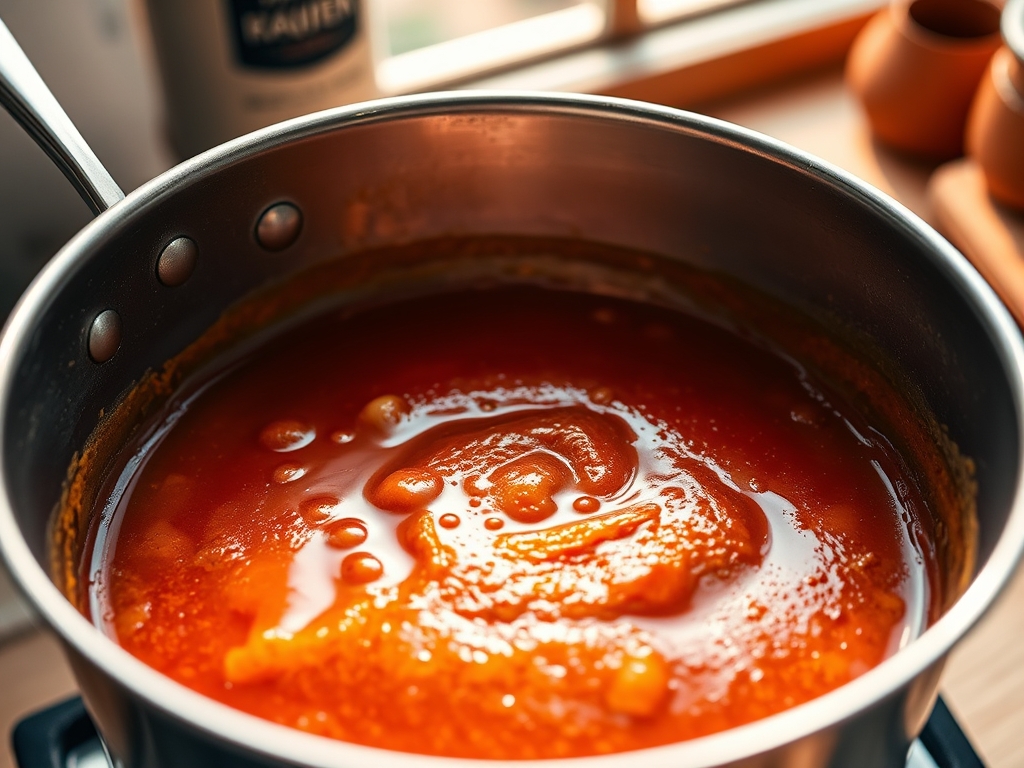
1. Thermal Priming and Aromatics
Begin by placing your saucier over medium-high heat. Add the olive oil and butter. Once the butter begins to foam, add the diced onions and garlic. Use a bench scraper to efficiently transfer your aromatics from the cutting board to the pan without losing a single gram of product. Sauté until the onions are translucent and the edges just begin to show the first signs of the Maillard reaction.
Pro Tip: Sweating the onions in a combination of oil and butter allows you to reach a higher temperature without burning the milk solids in the butter; this creates a complex flavor base through the release of sulfur compounds.
2. The Deglaze and Simmer
Add the smoked