Forget the humble image of the pantry dust-gatherer; we are here to talk about the high-speed architecture of the Canned Potato Hash. When the clock is screaming and your glucose levels are plummeting, you do not have forty minutes to coax starch out of a raw Russet. You need the pre-hydrated, par-cooked efficiency of the tin. We are weaponizing convenience to achieve a crust that rivals any five-star brunch spot. The secret lies in the structural integrity of the canned spud. Because these tubers have been processed at high heat within the can, their cellular walls are uniquely primed for rapid dehydration and subsequent crisping. We are not just cooking breakfast; we are conducting a high-thermal audit of starch retrogradation. By the time the cast iron hits the induction burner, you should be prepared for a sensory assault of salt, fat, and the specific, shatter-crisp snap that only a pressurized potato can provide. This is the industrial-strength solution to the morning rush.
THE DATA MATRIX
| Metric | Specification |
|---|---|
| Prep Time | 5 Minutes |
| Execution Time | 12 Minutes |
| Yield | 2 Servings |
| Complexity (1-10) | 3 |
| Estimated Cost per Serving | $1.45 |
THE GATHERS
Ingredient Protocol:
- 425g / 15oz Canned Diced Potatoes (drained and rinsed)
- 115g / 4oz Corned Beef or Thick-Cut Bacon (diced)
- 150g / 1 cup Yellow Onion (finely minced)
- 100g / 1/2 cup Bell Pepper (brunoise cut)
- 30ml / 2 tbsp Clarified Butter or Ghee
- 5g / 1 tsp Smoked Paprika
- 2g / 1/2 tsp Freshly Cracked Black Pepper
- 3g / 1/2 tsp Sea Salt (adjust based on canned sodium content)
- 15ml / 1 tbsp Fresh Chives (fine snips)
Section A: Ingredient Quality Audit:
The primary failure point in this operation is moisture. If your canned potatoes feel viscous or slimy, they are leaching excess starch. Rinse them aggressively in a fine-mesh strainer under cold water until the runoff is crystal clear. If the potatoes appear overly soft, a quick five-minute soak in a 2% salt brine will help firm up the exterior pectins through osmotic pressure. Regarding the protein, ensure your bacon or corned beef has a high fat-to-lean ratio. We need that fat to render out; it serves as the heat-transfer medium that prevents the potatoes from sticking to the pan. If using a lean protein, compensate by increasing your clarified butter volume to ensure even browning.
THE MASTERCLASS
Step 1: The Thermal Priming
Place your heavy-bottomed cast iron skillet or a stainless steel saucier over medium-high heat. Add the clarified butter. Once the fat begins to shimmer, add the diced protein. Use a bench scraper to move the meat around, ensuring every surface area makes contact with the hot metal.
Pro Tip: High-quality fat like ghee has a higher smoke point than whole butter. This allows you to reach the 300-degree Fahrenheit threshold required for the Maillard reaction without burning the milk solids.
Step 2: The Aromatic Infusion
Once the protein has begun to render its fat and turn golden, toss in the onions and peppers. Sauté these until they are translucent and have softened slightly. Do not let them char yet; their moisture is essential for creating a slight steam environment that will help the potatoes heat through internally.
Pro Tip: Use a digital scale to ensure your onion-to-potato ratio is exactly 1:3. This balance ensures the piquant bite of the onion does not overwhelm the earthy starch of the tuber.
Step 3: The Starch Integration
Add the drained, dried potatoes to the pan. Spread them into a single, even layer using your bench scraper or a flat spatula. Press down firmly. Now, the hardest part: leave them alone for at least four minutes. We are looking for a deep, mahogany crust to form on the bottom layer.
Pro Tip: Canned potatoes are already cooked, so we are only focused on texture and temperature. Pressing them down increases the surface area contact, accelerating the dehydration of the outer starch layer for maximum crunch.
Step 4: The Flip and Deglaze
Flip the hash in sections. If the pan looks dry, add another teaspoon of fat. Sprinkle the smoked paprika and black pepper over the top. If there are brown bits stuck to the bottom, add a tiny splash of water or stock to deglaze the pan; the potatoes will soak up this concentrated flavor immediately.
Pro Tip: Spices like paprika are fat-soluble. Adding them toward the end prevents the delicate oils in the spice from scorching while allowing the heat to infuse the flavor throughout the entire dish.
Section B: Prep & Timing Fault-Lines:
The most common human error is "The Fidget Factor." If you stir the potatoes too early, you break the delicate starch bonds before they can harden. This results in a mushy, grey mess rather than a golden hash. Another fault-line is temperature fluctuation. If you crowd the pan, the temperature drops, and the potatoes will boil in their own residual moisture rather than fry. Work in batches if your skillet is under ten inches in diameter. Use an infrared thermometer to ensure your pan surface stays between 350 and 375 degrees Fahrenheit.
THE VISUAL SPECTRUM
Section C: Thermal & Visual Troubleshooting:
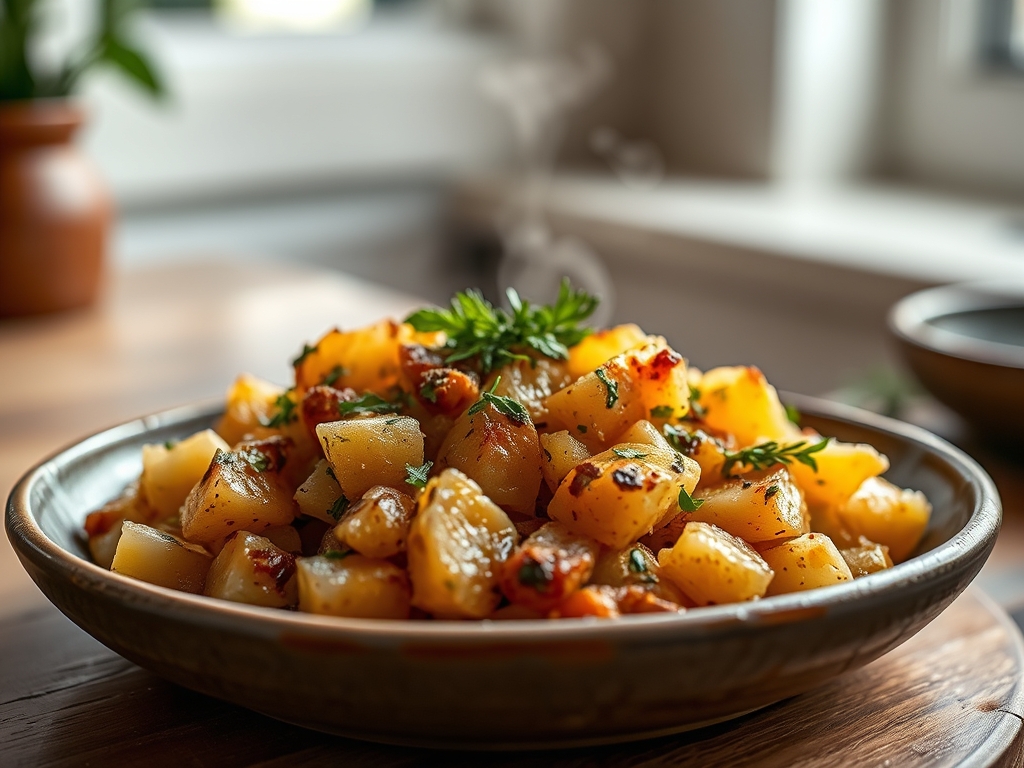
Look closely at the Masterclass photo. You should see distinct, sharp edges on the potato cubes; they should not look rounded or blurred. If your hash looks dull or "matte," it lacks sufficient fat. A glossy sheen indicates proper emulsification of the rendered fat and the potato starch. If you see black specks, your heat is too high or your butter is burning. The ideal color palette is a gradient of deep gold to reddish-brown. If the onions are disappearing into the mix, you have overcooked them; they should remain visible as translucent jewels tucked between the crispy potato blocks. Use the green chives at the very end to provide a sharp visual and flavor contrast to the heavy, savory tones of the hash.
THE DEEP DIVE
Macro Nutrition Profile
A standard serving of this Canned Potato Hash provides approximately 320 calories. You are looking at 28g of carbohydrates, 12g of protein (depending on your meat choice), and 18g of fat. While high in sodium due to the canning process, it provides a significant dose of potassium and Vitamin C.
Dietary Swaps
- Vegan: Swap the meat for smoked tempeh and use avocado oil instead of butter. Add a pinch of kala namak (black salt) for a "sulfur" hit that mimics eggs.
- Keto: This is difficult with potatoes. However, you can substitute 50% of the potatoes with diced radishes. When fried, radishes lose their peppery bite and mimic the texture of a firm potato.
- GF: Naturally gluten-free, but always audit your canned potato labels for cross-contamination or thickening agents.
Meal Prep & Reheating Science
To maintain the molecular structure, do not microwave the leftovers. Microwaves excite water molecules, which will turn your crispy crust into a soggy sponge. Instead, reheat in an air fryer at 400 degrees for 4 minutes or back in a dry skillet. This re-activates the fats and restores the "crunch" through secondary dehydration.
THE KITCHEN TABLE
Why are my canned potatoes always mushy?
You likely skipped the rinse and dry phase. Residual canning liquid contains starches that trap moisture. Rinse them until the water is clear and pat them bone-dry with a paper towel before they hit the hot fat.
Can I make this without a cast iron skillet?
Yes, but use stainless steel. Avoid non-stick pans if you want a true crust. Non-stick surfaces prevent the "fond" from forming, which is the source of all that concentrated, savory flavor you find in professional kitchens.
Should I boil the potatoes first?
Absolutely not. Canned potatoes are already fully par-cooked. Boiling them further will destroy the cellular walls, leaving you with mashed potatoes rather than a structured hash. Go straight from the tin to the frying pan.
What is the best way to spice this up?
Add a teaspoon of gochujang or chipotle in adobo during the deglaze phase. The sugars in these pastes will caramelize quickly, adding a sweet and smoky depth that complements the salty profile of the canned spuds.