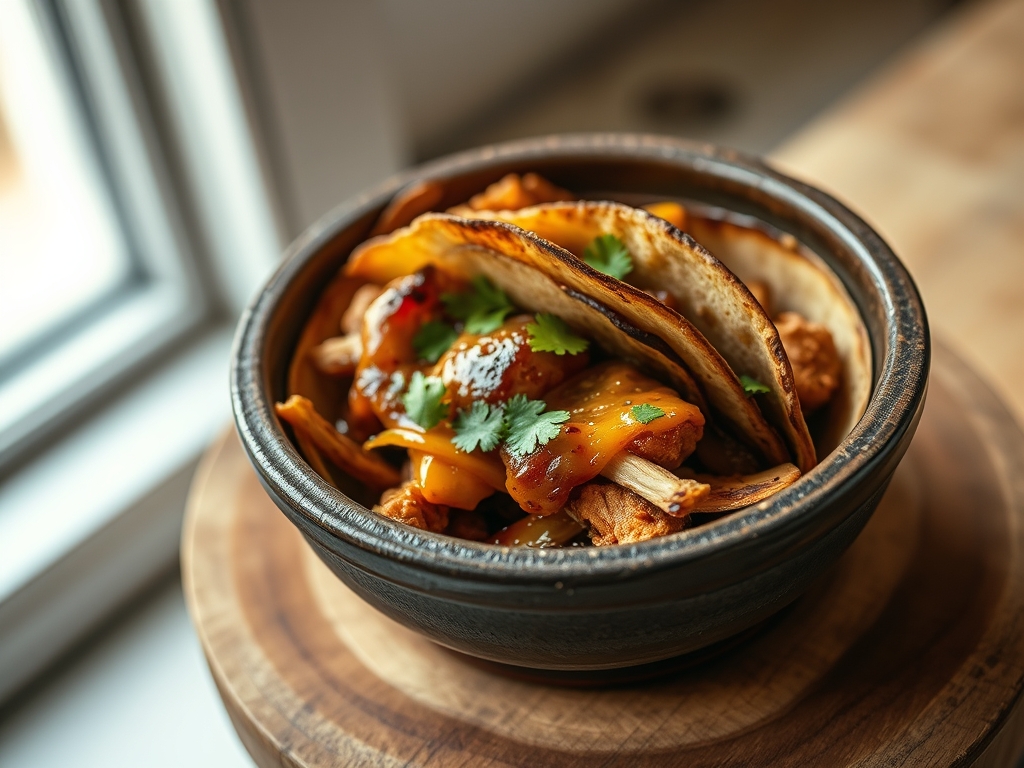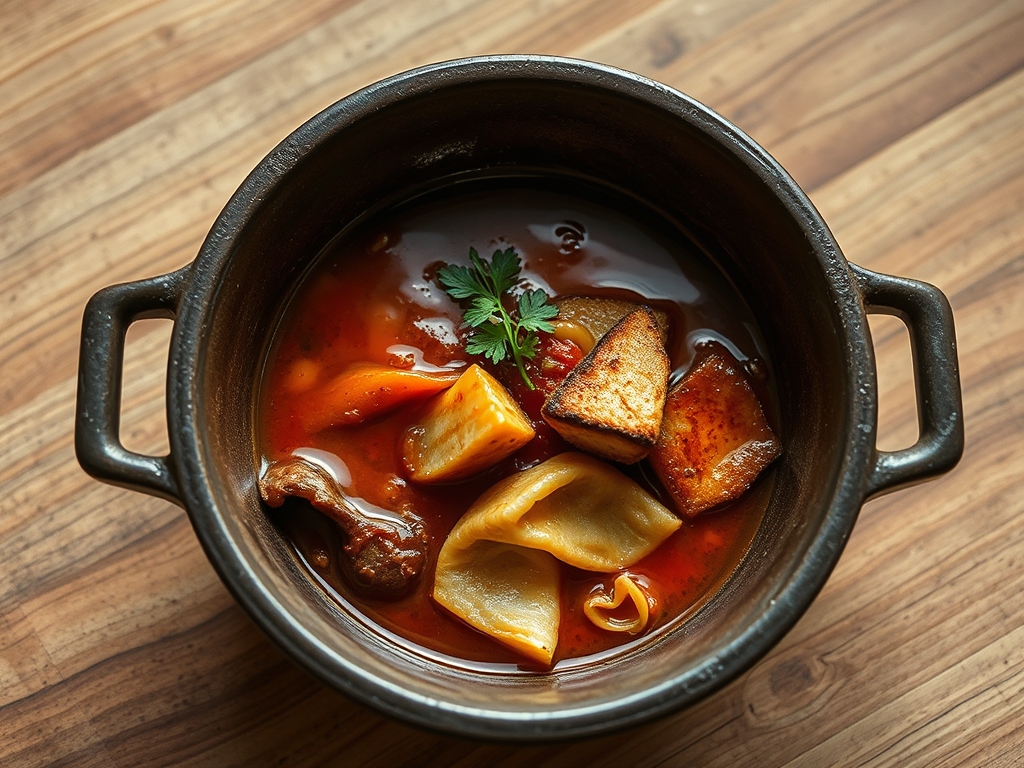
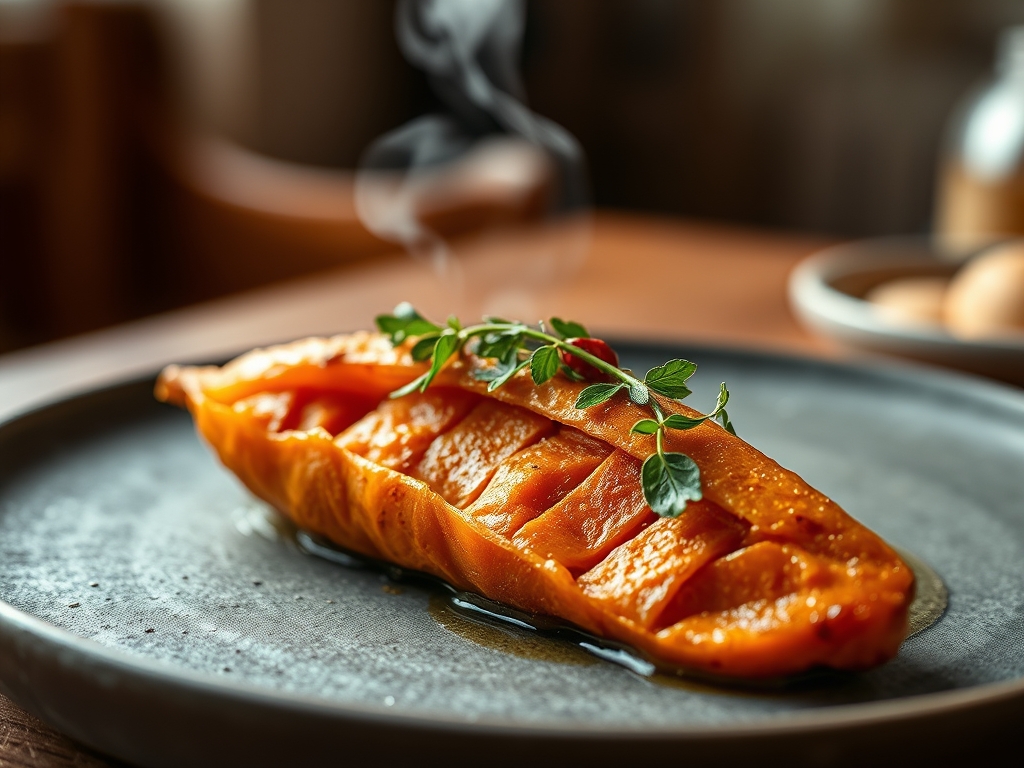
Listen up, kitchen architects. We are not just tossing tubers into a box and hoping for a miracle; we are engineering a foundational starch that serves as the backbone of your entire weekly menu. The Prepared Sweet Potato is the ultimate culinary chameleon. When executed with precision, it offers a velvet interior and a caramelized, candy-shell exterior that defies the laws of simple convection. We are hunting for that specific moment where the natural sugars undergo a complex thermal transformation, turning a humble root into a high-performance fuel source. Forget the soggy, sad cubes of your past. We are building a structural masterpiece that retains its integrity from the first sear to the final reheat. This is about batch-cooking with the soul of a Michelin-starred garnish station. We demand high-output efficiency without sacrificing the delicate Maillard reactions that make this vegetable sing. Strap in, because we are about to audit your roasting protocol and upgrade your starch infrastructure to professional-grade specifications.
THE DATA MATRIX
| Metric | Specification |
|---|---|
| Prep Time | 15 Minutes |
| Execution Time | 35 Minutes |
| Yield | 6-8 Servings |
| Complexity (1-10) | 3 |
| Estimated Cost per Serving | $0.75 USD |
THE GATHERS
Ingredient Protocol:
- 1.8kg / 4 lbs Sweet Potatoes (Garnet or Jewel variety)
- 60ml / 4 tbsp Extra Virgin Olive Oil
- 10g / 2 tsp Kosher Salt
- 5g / 1 tsp Smoked Paprika
- 2.5g / 0.5 tsp Cracked Black Pepper
- 15ml / 1 tbsp Maple Syrup (Optional for glaze)
Section A: Ingredient Quality Audit:
Sub-par raw materials are the primary cause of structural failure in your Prepared Sweet Potato. If your tubers feel spongy or show "pithy" white spots when sliced, the starch-to-sugar conversion has already compromised the cell walls. To fix a low-density potato, increase your roasting temperature by 10 degrees to force a faster exterior crust. If the skin is shriveled, soak the whole tubers in ice water for 20 minutes before peeling to rehydrate the subcutaneous layers. Always use a digital scale to ensure your seasoning-to-surface-area ratio is mathematically sound.
THE MASTERCLASS
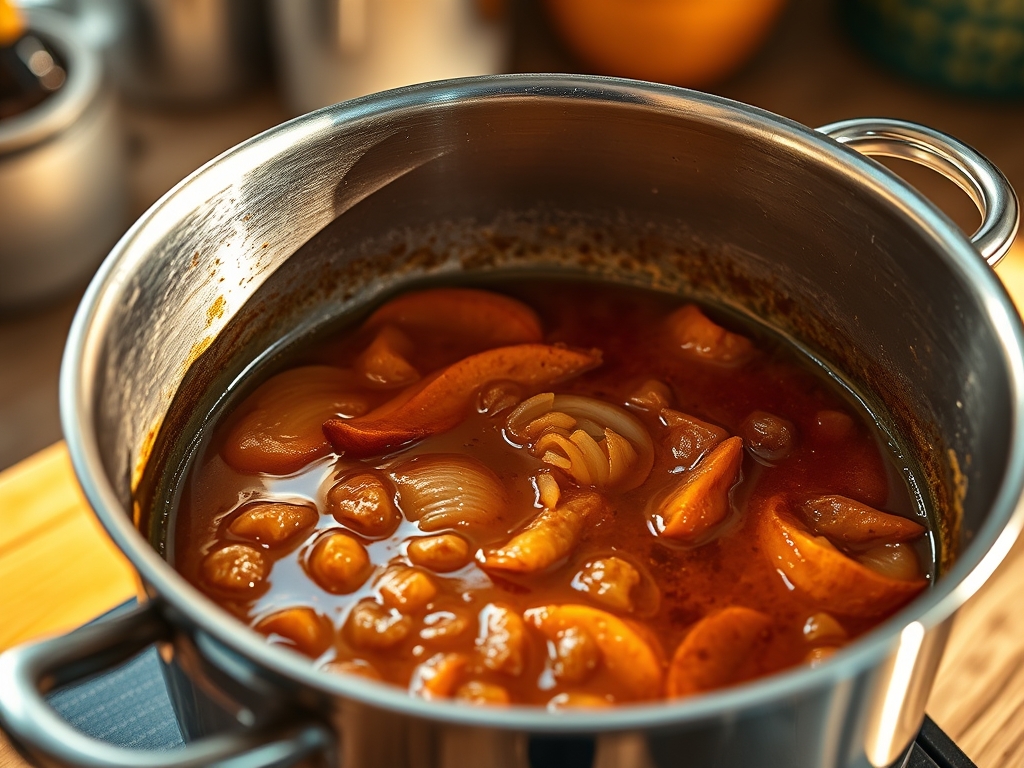
1. The Geometric Standard
Begin by peeling the tubers and squaring off the ends. Use a sharp chef knife to create uniform 2cm cubes. Consistency is not just for aesthetics; it ensures that every piece reaches the thermal equilibrium point at the exact same second.
Pro Tip: Use a bench scraper to move your cubes from the cutting board to the mixing bowl. This prevents "bruising" the delicate raw flesh and keeps your workstation optimized for high-speed throughput.
2. The Lipid Enclosure
In a large stainless steel bowl, toss the cubes with your olive oil and spices. You are looking for a viscous coating that completely encapsulates each cube. This lipid barrier prevents the interior moisture from escaping too rapidly during the initial blast of heat.
Pro Tip: Use a saucier to slightly warm your oil and spices together before tossing. This helps to infuse the fat with the aromatics, ensuring a more piquant flavor profile in every bite.
3. The Thermal Deployment
Spread the cubes onto a heavy-duty rimmed baking sheet. Ensure there is at least 1cm of "breathing room" between each piece. If you crowd the pan, the potatoes will steam rather than roast, resulting in a structural collapse.
Pro Tip: Use a digital scale to weigh your total batch. For a standard half-sheet pan, never exceed 900g of product if you want to achieve maximum crispness. Overloading the pan creates a moisture trap.
4. The Agitation Phase
Halfway through the roast, use a metal spatula to aggressively flip the cubes. This redistributes the render and ensures that the surface contact with the hot metal is even across all facets of the cube.
Pro Tip: At this stage, you can deglaze the pan with a tiny splash of apple cider vinegar if the sugars are browning too quickly. The acidity cuts the sweetness and resets the caramelization timer.
Section B: Prep & Timing Fault-Lines:
The most common human error is the "Cold Start" fallacy. If you put your tray into an oven that hasn't fully stabilized at 200C (400F), the interior will turn to mush before the exterior can render its sugars. Always use an independent oven thermometer to verify your internal environment. If your timing is off and the potatoes finish early, do not cover them with foil. Foil creates a steam tent that will destroy the crust you just spent 35 minutes building.
THE VISUAL SPECTRUM
Section C: Thermal & Visual Troubleshooting:
Look at the Masterclass photo above. Notice the deep amber edges and the slight "puff" to the cubes. If your Prepared Sweet Potato looks pale or "wet," your oven humidity was too high; crack the door for the last five minutes of cooking to aerate the chamber. If the edges are black but the centers are hard, your cubes were cut too large for the high-heat environment. Adjust your knife work. A perfect batch should have a matte finish with localized "blisters" of caramelization where the natural glucose has bubbled to the surface.
THE DEEP DIVE
Macro Nutrition Profile:
A standard 150g serving of our Prepared Sweet Potato delivers approximately 140 calories, 3g of fiber, and 250% of your daily Vitamin A. The inclusion of high-quality lipids (olive oil) is essential for the absorption of these fat-soluble vitamins.
Dietary Swaps:
For a Vegan profile, ensure your maple syrup is grade-A and minimally processed. For Keto adherents, this dish is a "moderate-carb" exception; reduce the serving size and increase the fat ratio by adding avocado oil. This recipe is naturally Gluten-Free, provided your spice blends are pure and free of anti-caking agents like flour.
Meal Prep & Reheating Science:
To maintain molecular structure during storage, cool the potatoes completely on a wire rack before refrigerating. This prevents condensation from softening the crust. When reheating, avoid the microwave at all costs. Use an air fryer or a hot skillet to "re-fry" the exterior. This process re-activates the lipids and restores the crunch without drying out the center.
THE KITCHEN TABLE
Why are my sweet potatoes soggy after roasting?
You likely crowded the pan or used too much oil. When cubes touch, they trap steam. Ensure each piece has its own "airspace" on the tray to allow moisture to evaporate quickly.
Can I roast these without peeling them?
Absolutely. The skin provides extra fiber and a rustic texture. Just ensure you scrub them with a stiff brush to remove any subterranean grit before dicing.
What is the best oil for high-heat roasting?
Avocado oil or refined olive oil are superior choices due to their high smoke points. Avoid butter for the initial roast, as the milk solids will burn before the potato is cooked.
How long do these stay fresh in the fridge?
When stored in an airtight glass container, they maintain peak structural integrity for 5 to 6 days. This makes them the ultimate asset for high-efficiency meal architecture.