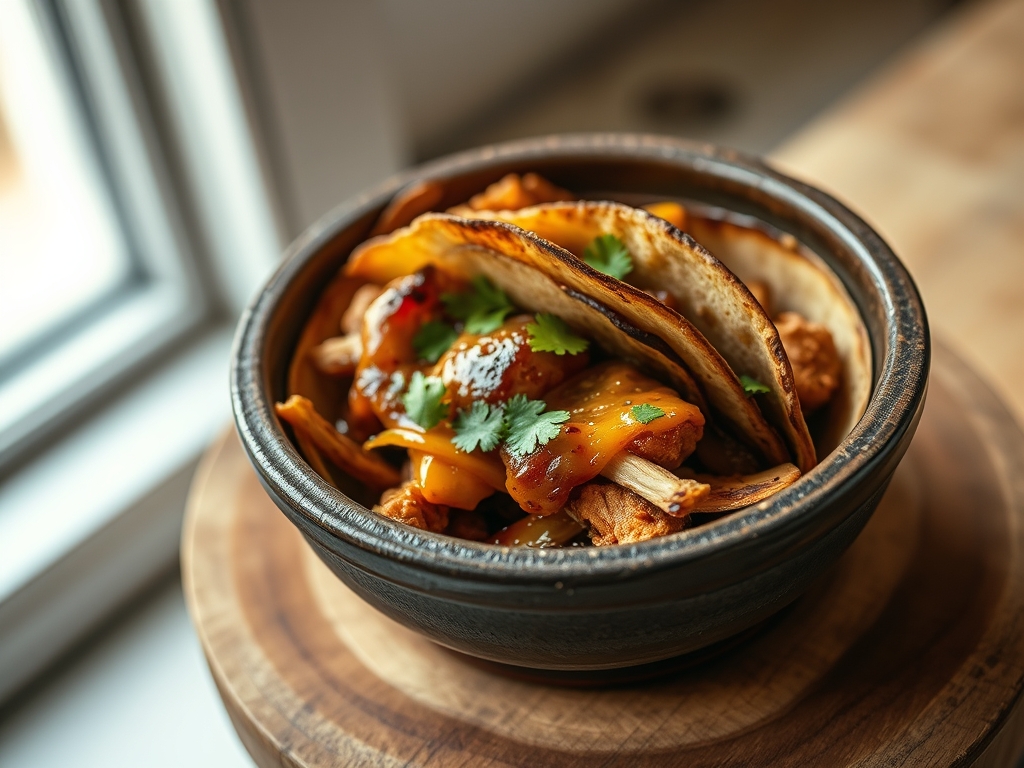
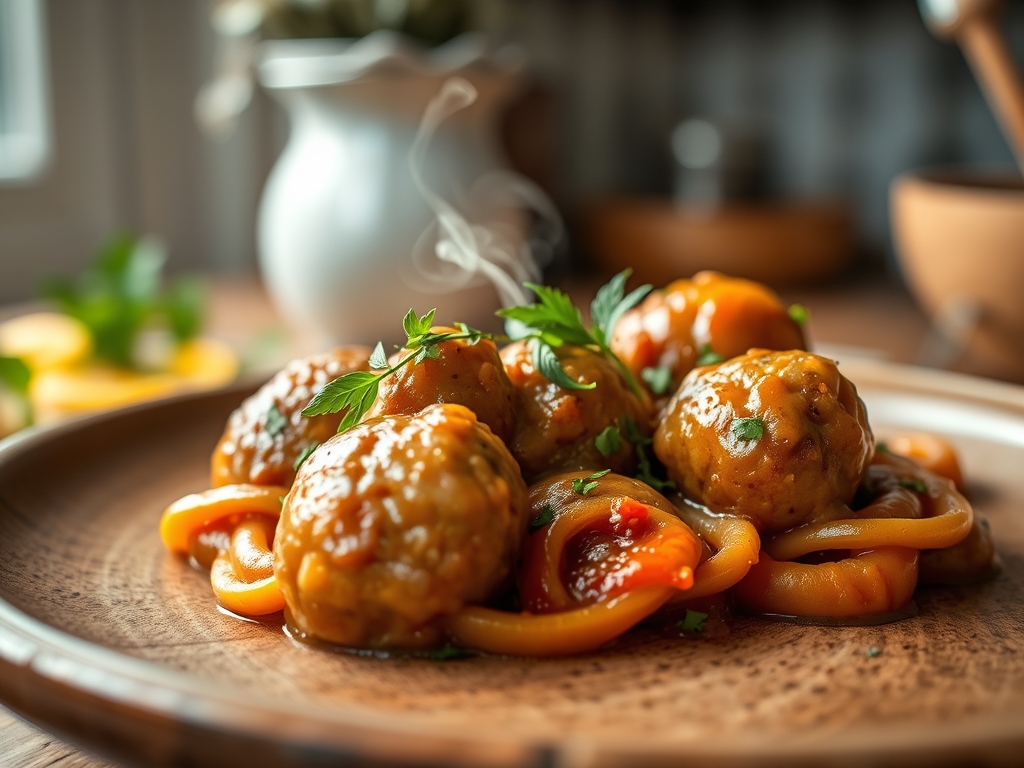
Imagine a sphere of protein so tender it defies the structural integrity of a standard fork. We are not merely discussing dinner; we are auditing the architectural brilliance of Slow Cooker Meatballs. This is where the physics of low-velocity thermal conductivity meets the chemistry of the Maillard reaction. When you drop a raw orb of seasoned beef and pork into a ceramic vessel, you are initiating a long-form transformation that turns tough connective tissues into a viscous, gelatinous luxury. The scent alone is a sensory assault of garlic and oregano that permeates the drywall of your kitchen. We are looking for that perfect tension between a resilient exterior and a soft, pillowy interior that has been allowed to infuse with a rich marinara for hours. Forget the dry, rubbery pellets of a high-heat oven. We are here to engineer a masterpiece of moisture retention and flavor density. Grab your digital scale and prepare for a deep dive into the infrastructure of the ultimate comfort food. This is culinary engineering at its most delicious.
THE DATA MATRIX
| Metric | Specification |
|---|---|
| Prep Time | 25 mins |
| Execution Time | 4 to 6 hours |
| Yield | 24 – 28 Globes |
| Complexity (1-10) | 3 |
| Estimated Cost per Serving | $1.85 |
THE GATHERS
Ingredient Protocol:
- 450g / 1 lb Ground Beef (80/20 lean-to-fat ratio)
- 450g / 1 lb Ground Pork
- 120g / 1 cup Panko Breadcrumbs
- 240ml / 1 cup Whole Milk
- 2 Large Eggs (approx. 100g)
- 60g / 0.5 cup Grated Parmesan Cheese
- 4 Cloves Garlic (minced)
- 15g / 1 tbsp Fresh Parsley (finely chopped)
- 5g / 1 tsp Dried Oregano
- 10g / 2 tsp Kosher Salt
- 5g / 1 tsp Freshly Ground Black Pepper
- 700ml / 24 oz Marinara Sauce
Section A: Ingredient Quality Audit:
If your raw materials fail the audit, your final product will suffer from structural collapse. Sub-par ground beef with a fat content lower than 20 percent will result in a grainy, sandy texture. The fix is to render additional fat into the mix via a small amount of heavy cream or finely minced bacon. If your breadcrumbs are stale or overly processed, they will fail to aerate the meat mixture. Always opt for Panko to ensure a lighter crumb. If the Parmesan smells like plastic, it lacks the enzymatic complexity to provide a piquant finish; always grate from a wedge to ensure the proteins are active and the oils are intact.
THE MASTERCLASS
1. The Panade Synthesis
Combine your breadcrumbs and milk in a small bowl. Allow them to sit for ten minutes until a thick paste forms. This is the secret to moisture.
Pro Tip: Use a digital scale to ensure your milk-to-crumb ratio is precise. This mixture prevents the meat proteins from cross-linking too tightly, which keeps the meatballs tender rather than bouncy.
2. The Protein Integration
In a large mixing bowl, combine the beef, pork, eggs, cheese, and spices. Add the panade. Use your hands or a sturdy spatula to mix until just combined.
Pro Tip: Do not overwork the meat. Over-handling causes the fats to smear and the proteins to toughen. Use a bench scraper to help fold the ingredients together without applying excessive heat from your palms.
3. The Spherical Calibration
Scoop the mixture into 1.5-inch globes. For a professional finish, sear them in a saucier or cast-iron skillet for 2 minutes per side before placing them in the slow cooker.
Pro Tip: Searing initiates the Maillard reaction. This creates a complex flavor profile that the slow cooker cannot replicate on its own. Use a cookie scoop for uniform sizing to ensure even thermal distribution.
4. The Low-Velocity Simmer
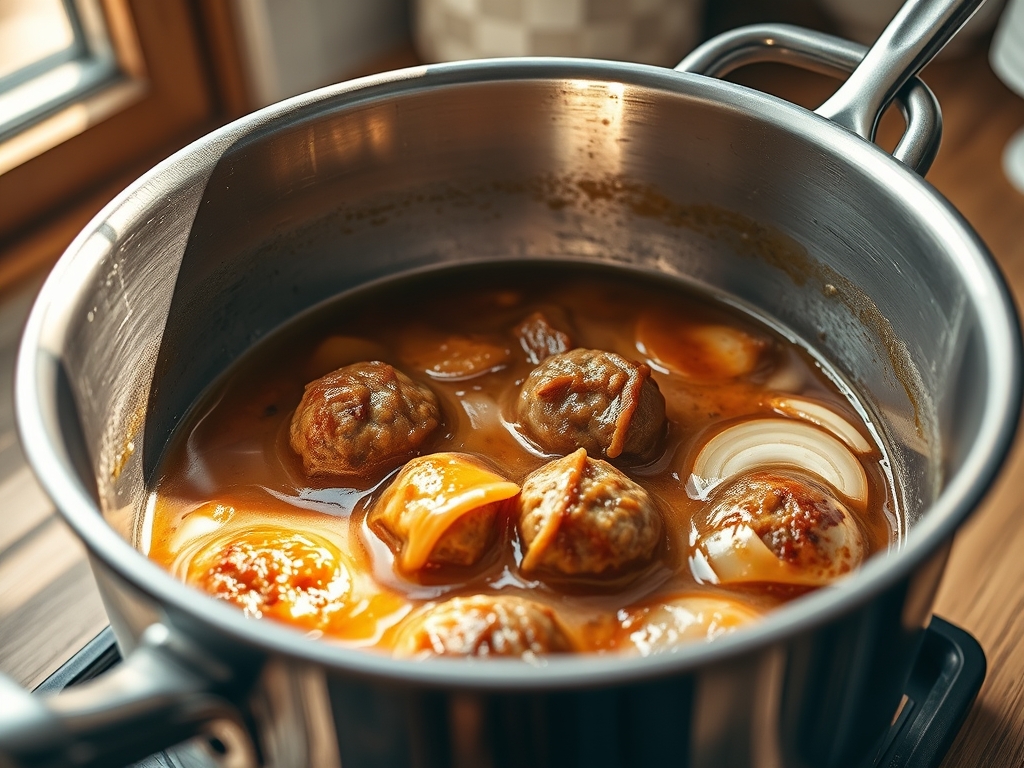
Pour half of your marinara into the slow cooker. Arrange the meatballs in a single layer if possible. Cover with the remaining sauce. Set to "Low" for 4 to 6 hours.
Pro Tip: High heat in a slow cooker can cause the proteins to contract too quickly, squeezing out moisture. The "Low" setting allows the collagen to break down into gelatin slowly, creating a melt-in-your-mouth texture.
5. The Final Emulsification
Once the timer expires, gently stir the meatballs. If the sauce appears thin, remove the lid for the last 30 minutes to allow the liquid to reduce and become more viscous.
Pro Tip: Use a silicone spatula to avoid breaking the delicate globes. If the sauce has separated, a quick whisking of the surrounding liquid (avoiding the meatballs) will help re-emulsify the fats and tomato solids.
Section B: Prep & Timing Fault-Lines:
The primary human error in this protocol is the "set it and forget it" fallacy. If you leave meatballs on the "High" setting for 8 hours, you are essentially boiling the life out of them. The result is a mealy texture. Another fault-line is the temperature of the ingredients. Always start with cold meat to prevent the fat from melting before it reaches the slow cooker. If your timing is off and guests are late, switch the unit to "Warm" immediately. Do not leave it on "Low" for more than 6 hours, or the acid in the tomatoes will begin to disintegrate the meat fibers entirely.
THE VISUAL SPECTRUM
Section C: Thermal & Visual Troubleshooting:
Referencing the Masterclass photo, you should see a deep, rust-colored sauce and meatballs that hold their shape but appear glistening. If your meatballs look grey and unappealing, you likely skipped the searing phase. The fix is to garnish heavily with fresh green herbs and extra Parmesan to distract the eye. If the sauce looks watery, it means the meatballs released too much moisture. You can fix this by whisking in a teaspoon of tomato paste. If the meatballs are breaking apart, your panade was too wet or your globes were too large for their own structural integrity. Next time, calibrate the size to be more compact.
THE DEEP DIVE
Macro Nutrition Profile:
A standard serving of three meatballs provides approximately 28g of protein, 18g of fat, and 12g of carbohydrates. This balance makes it a powerhouse for satiety. The inclusion of pork adds essential B vitamins and a higher fat content which is necessary for the slow-cooking process.
Dietary Swaps:
- Vegan: Replace the meat with a mix of lentils and minced mushrooms. Use a flax egg and nutritional yeast.
- Keto: Swap breadcrumbs for crushed pork rinds or almond flour. Ensure the marinara has no added sugars.
- GF: Use certified gluten-free Panko or rolled oats processed into a fine flour.
Meal Prep & Reheating Science:
These globes are molecularly stable for up to four days in the refrigerator. When reheating, avoid the microwave as it creates localized hot spots that can toughen the protein. Instead, place them in a small pot with a splash of water or extra sauce. Heat over medium-low to gently re-awaken the fats without denaturing the proteins further. For long-term storage, freeze them in the sauce to prevent freezer burn and maintain the moisture barrier.
THE KITCHEN TABLE
Why are my meatballs tough?
You likely overworked the meat or skipped the panade. Over-mixing creates a dense protein matrix. Next time, use a light touch and ensure your breadcrumbs are fully hydrated before adding them to the beef and pork.
Can I put raw meatballs directly in the sauce?
Yes, but you sacrifice flavor and texture. Searing creates a structural crust and adds depth through browning. If you must go raw, ensure the sauce is already warm to jumpstart the cooking process.
What is the best meat for slow cooking?
A blend is superior. Beef provides the iron-rich base, while pork adds the necessary fat and softness. An 80/20 beef ratio is the industry standard for maintaining moisture over a long thermal cycle.
How do I know when they are done?
The internal temperature should reach 165 degrees Fahrenheit. Visually, they should be firm to the touch but yield slightly when pressed. The sauce should have darkened and thickened around the globes.
Can I overcook them in a slow cooker?
Absolutely. After 8 hours on low, the meat can become mushy as the fibers completely break down. Aim for the 5-hour sweet spot for the best balance of tenderness and structural integrity.