Stop settling for the limp, grey, and uninspired cylinders that emerge from a crowded skillet. We are here to talk about the structural integrity and lipid-driven glory of Oven Roasted Sausages. This is not merely a meal; it is a high-temperature engineering project where the sheet pan acts as your primary laboratory. Imagine the high-octane hiss as the casing reaches its thermal limit, the fat rendering into a viscous gold that lacquers every surrounding vegetable. We are chasing the perfect Maillard reaction, that chemical alchemy where amino acids and reducing sugars transform into a complex, savory crust. When you roast at high velocity, you are not just cooking; you are conducting a symphony of pressure and heat. The snap of the casing should be audible. The interior must remain a succulent, emulsified masterpiece of protein and spice. Forget the splatter of the stovetop. We are moving to the controlled environment of the oven to ensure every link achieves its maximum potential for flavor density and textural contrast.
THE DATA MATRIX
| Metric | Specification |
|---|---|
| Prep Time | 12 Minutes |
| Execution Time | 25 Minutes |
| Yield | 4 Servings |
| Complexity (1-10) | 2 |
| Estimated Cost per Serving | $3.50 |
THE GATHERS
Ingredient Protocol:
- 680g / 1.5 lbs High-Quality Italian or Bratwurst Sausages
- 450g / 1 lb Red Bliss Potatoes (quartered)
- 200g / 2 cups Bell Peppers (thickly sliced)
- 150g / 1 large Red Onion (wedged)
- 45ml / 3 tbsp Extra Virgin Olive Oil
- 10g / 2 tsp Kosher Salt
- 5g / 1 tsp Freshly Cracked Black Pepper
- 15ml / 1 tbsp Balsamic Vinegar (for the final deglaze)
- 5g / 1 tbsp Fresh Rosemary (chopped)
Section A: Ingredient Quality Audit:
The primary failure point in Oven Roasted Sausages is the moisture-to-fat ratio of the link. If your sausages are "weeping" excessive water, they have likely been pumped with phosphates to increase weight. This excess moisture prevents the casing from crisping, leading to a steamed, rubbery texture. To fix this, pat the sausages bone-dry with lint-free towels before they touch the pan. If your vegetables are limp or bruised, they will collapse into a mushy substrate rather than roasting. Ensure your potatoes are high-starch varieties to facilitate a crispy exterior. If the olive oil lacks a piquant bite, it may be rancid; always use oil from a dark glass bottle to ensure the lipids have not oxidized under UV light.
THE MASTERCLASS
1. Thermal Priming and Calibration
Preheat your oven to 218C / 425F. Use an oven thermometer to verify the internal temperature, as built-in dials are notoriously inaccurate. Place a heavy-duty rimmed baking sheet inside while the oven heats. This creates a searing surface that initiates the rendering process the moment the food makes contact.
Pro Tip: Use a digital scale to ensure your vegetables are cut to uniform weights. This ensures that the heat penetration is consistent across the entire pan, preventing the smaller pieces from carbonizing while the larger ones remain raw.
2. The Lipid Infusion
In a large stainless steel mixing bowl, toss your potatoes, peppers, and onions with the olive oil, salt, and pepper. You want a thin, even coat of oil to act as a heat conductor. Do not overcrowd the bowl; you need space to properly aerate the ingredients as you toss them to ensure every surface is lubricated.
Pro Tip: Use a bench scraper to quickly transfer chopped aromatics from your cutting board to the bowl. This prevents the loss of volatile oils and maintains the structural integrity of the delicate onion layers.
3. Structural Arrangement
Carefully remove the hot sheet pan from the oven. Arrange the sausages in the center, leaving at least two centimeters of space between each link. Distribute the oiled vegetables around the perimeter. The sausages require airflow to crisp the casings; if they touch, they will steam each other, resulting in a pale, flaccid interface.
Pro Tip: Use a saucier or small metal bowl to pre-mix your dried herbs with a teaspoon of oil. This prevents the rosemary from burning in the high-heat environment, allowing the flavors to infuse into the oil rather than turning into bitter ash.
4. The High-Heat Interval
Slide the pan into the center rack. Roast for 15 minutes, then use heavy-duty tongs to rotate the sausages 180 degrees. Flip the vegetables to ensure the side in contact with the pan develops a deep, golden crust. Return to the oven for another 10 to 12 minutes until the internal temperature of the sausages reaches 71C / 160F.
Pro Tip: Use an instant-read probe thermometer to check the thickest part of the sausage. Relying on visual cues alone is a rookie mistake; precision temperature control is the only way to guarantee the juices remain trapped within the protein matrix.
5. The Acidic Deglaze
Once the pan is removed from the heat, immediately drizzle the balsamic vinegar over the hot vegetables. The residual heat will cause the vinegar to bubble and reduce instantly, loosening the caramelized bits (the fond) from the bottom of the pan. Toss everything one last time to coat.
Pro Tip: A flexible fish spatula is the ideal tool for this step. Its thin edge can slide under the roasted potatoes without tearing the crispy skin, ensuring you recover every gram of flavor from the pan surface.
Section B: Prep & Timing Fault-Lines:
The most common human error is the "Cold Start" mistake. If you put cold sausages on a cold pan in a cold oven, the fat renders out slowly, leaving the meat dry before the casing ever browns. Always allow your sausages to sit at room temperature for 15 minutes before roasting. Furthermore, failing to account for "carry-over cooking" can lead to over-extraction of moisture. Remove the sausages when they are 2 degrees below your target temperature; the internal energy will continue to rise as the meat rests, bringing it to a perfect, succulent finish.
THE VISUAL SPECTRUM
Section C: Thermal & Visual Troubleshooting:
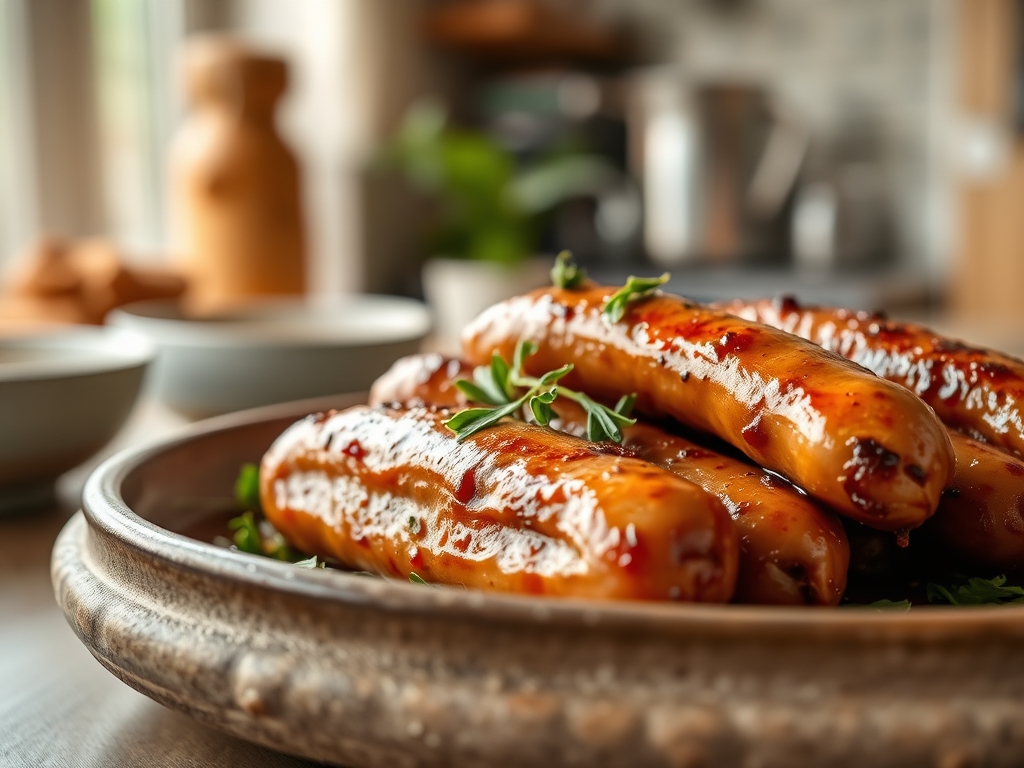
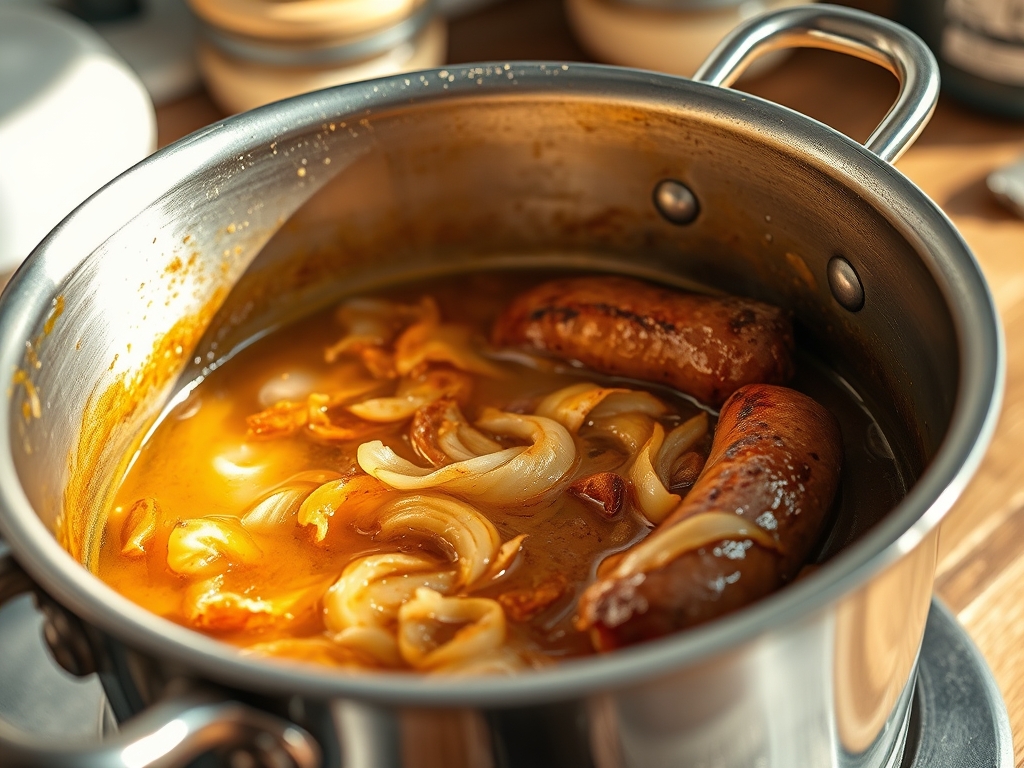
Referencing the Masterclass photo, your goal is a variegated landscape of color. If your sausages look uniform and pale, your oven temperature was likely too low or your pan was overcrowded. The photo shows "blistering" on the casings; this is a sign of successful lipid expansion. If your vegetables appear dull or grey, you likely skimped on the oil or salt, preventing the caramelization of natural sugars. If the onions are black while the potatoes are white, your knife work was inconsistent. Aim for the vibrant reds and deep browns seen in the reference image; these colors indicate the presence of complex flavor compounds that only emerge at high heat.
THE DEEP DIVE
Macro Nutrition Profile:
A standard serving provides approximately 35g of protein, 28g of fat, and 22g of carbohydrates. The caloric density is high, making this an excellent fuel source for high-output individuals. To optimize the nutrient profile, ensure you are using sausages with no added fillers or sugars.
Dietary Swaps:
- Vegan: Substitute with high-protein soy or pea-based links. Reduce roasting time by 30% to prevent dehydration of the plant proteins.
- Keto: Eliminate the potatoes and substitute with cauliflower florets or radishes. The radishes lose their peppery bite and become remarkably potato-like when roasted.
- GF: Ensure sausages are certified gluten-free, as many commercial brands use breadcrumbs as a binder.
Meal Prep & Reheating Science:
To maintain molecular structure during reheating, avoid the microwave. The rapid agitation of water molecules in a microwave will turn the sausage casings into leather. Instead, use a toaster oven at 175C / 350F for 8 minutes. This gently re-activates the fats without further denaturing the proteins.
THE KITCHEN TABLE
Why are my sausages bursting open?
This is caused by rapid steam expansion. If the heat is too aggressive or the casing is too tight, the internal pressure exceeds the structural limits of the skin. Pricking the casing once with a needle can provide a safety valve.
Can I use frozen sausages for this?
Negative. Roasting from frozen results in a catastrophic thermal gradient where the outside burns before the center thaws. Always defrost in the refrigerator for 24 hours prior to execution to ensure even heat distribution.
What is the best pan for this?
Heavy-gauge aluminum or carbon steel is superior. Thin, cheap pans warp at 218C, causing the oil to pool in the corners and leaving your sausages to bake unevenly in a dry zone.
How do I get more "snap" in the casing?
The "snap" is a result of protein dehydration on the very surface of the casing. Patting the sausages dry and ensuring high-velocity airflow in the oven are the two most critical factors for achieving that auditory crunch.