Listen to the sound of failure. It is the wet, apologetic thud of a protein cube hitting a plate without a single decibel of crunch. For too long, the home kitchen has been a graveyard for soggy soy. We are here to perform a structural intervention. The objective is Oven Baked Tofu that defies the laws of domestic thermal application. We are chasing that elusive, glass-shattering exterior coupled with a custardy, pressurized core. This is not a casual weeknight suggestion; it is a technical audit of surface area dehydration. We are stripping away excess moisture to invite the Maillard reaction to the party. By the time we are finished, your tofu will possess the structural integrity of a crouton and the savory depth of a slow-roasted protein. We are utilizing high-heat convection and precision starch application to transform a bland block of curd into a weaponized snack. Prepare your workstations. We are moving from the realm of the mushy into the territory of the definitive crunch.
THE DATA MATRIX
| Metric | Specification |
|---|---|
| Prep Time | 20 Minutes |
| Execution Time | 30 Minutes |
| Yield | 4 Servings |
| Complexity (1-10) | 3 |
| Estimated Cost per Serving | $1.25 USD |
THE GATHERS
Ingredient Protocol:
- 450g / 1 lb Extra-Firm Tofu (Vacuum-packed preferred)
- 30ml / 2 tbsp Neutral High-Smoke Point Oil (Avocado or Grapeseed)
- 15g / 2 tbsp Cornstarch or Arrowroot Powder
- 5ml / 1 tsp Toasted Sesame Oil
- 15ml / 1 tbsp Low-Sodium Tamari or Soy Sauce
- 2g / 0.5 tsp Garlic Powder
- 1g / 0.25 tsp Smoked Paprika
Section A: Ingredient Quality Audit:
The primary failure point in Oven Baked Tofu is the water-to-protein ratio. If your tofu is swimming in a tub of water, you are starting with a deficit. Look for "Super Firm" vacuum-packed varieties which bypass the need for extensive pressing. If you only have access to standard firm tofu, you must deploy a mechanical press for at least 30 minutes. Sub-par cornstarch that has clumped due to humidity will result in a "chalky" mouthfeel; ensure your starch is free-flowing and sieved if necessary. If your soy sauce lacks a viscous quality, it may be too diluted. Upgrade to a premium brewed tamari to ensure the sugars are present for caramelization.
THE MASTERCLASS
Step-by-Step Execution:
1. The Desiccation Phase
Drain the tofu and wrap it in a lint-free kitchen towel. Place a heavy cast-iron skillet or a weighted professional hotel pan on top. Let it sit for 20 minutes to render out the internal moisture. Use a digital scale to ensure you are starting with the correct mass of protein after pressing.
Pro Tip: Reducing internal moisture increases the boiling point of the remaining liquid, which allows the exterior to crisp faster without the interior becoming rubbery. Professional chefs often use a "salt brine" soak before pressing to draw out even more moisture via osmosis.
2. Geometric Precision
Using a sharp chef knife or a bench scraper, slice the tofu into uniform 2cm cubes. Uniformity is not about aesthetics; it is about synchronized thermal absorption. If the cubes vary in size, the smaller units will carbonize while the larger units remain flaccid.
Pro Tip: Increased surface area equals increased crunch. By cutting smaller cubes, you increase the ratio of "crust" to "core." This maximizes the area available for the starch to adhere and dehydrate.
3. The Emulsion Coating
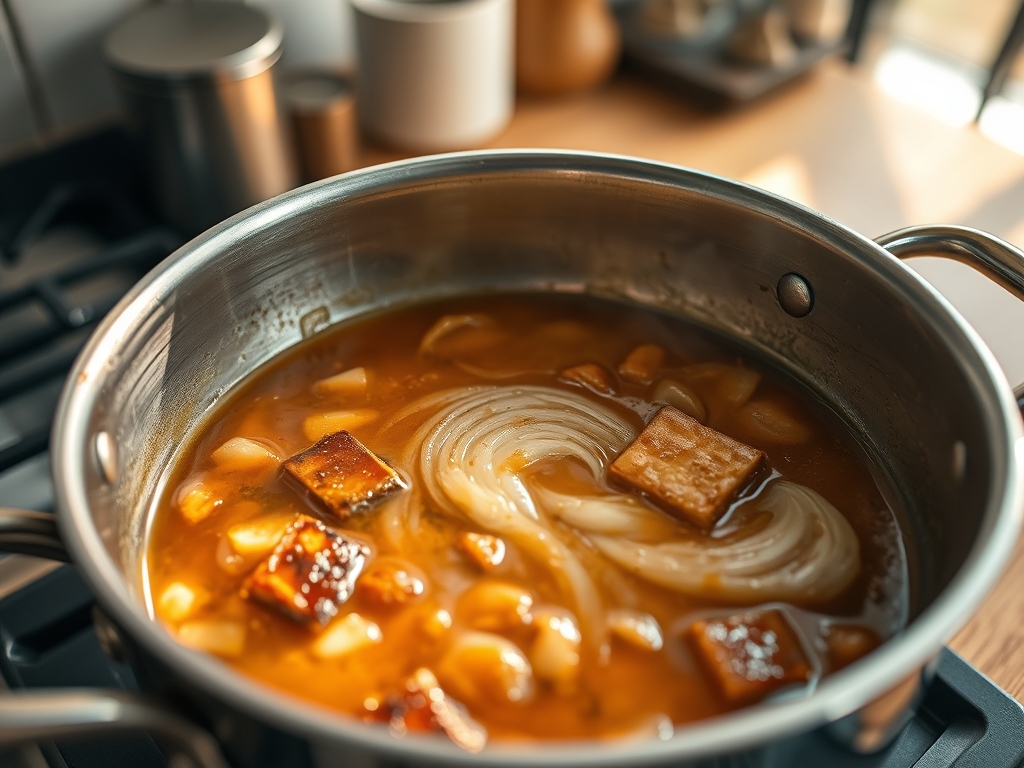
In a large stainless steel saucier or mixing bowl, whisk together the neutral oil, tamari, sesame oil, and spices. Toss the tofu cubes gently until they are fully coated. The oil acts as a heat conductor, while the tamari provides the amino acids necessary for the Maillard reaction.
Pro Tip: Do not add the starch yet. You want the oil and seasonings to infuse into the outer layers of the tofu first. This creates a hydrophobic barrier that prevents the starch from becoming a soggy paste.
4. Starch Aeration
Sprinkle the cornstarch over the oiled tofu. Toss vigorously until a thin, matte film covers every surface. There should be no visible white clumps. The starch should look like a translucent veil, not a heavy batter.
Pro Tip: This is "flash-dehydration." The starch absorbs any residual surface moisture instantly. When it hits the oven's heat, it forms a micro-thin, crispy shell that traps steam inside, keeping the center moist while the outside becomes piquant and crunchy.
5. Thermal Application
Arrange the cubes on a parchment-lined sheet pan. Ensure there is at least 1cm of "air corridor" between each cube. Place in a preheated oven at 200C / 400F for 25 to 30 minutes. Flip the cubes halfway through using a thin metal spatula.
Pro Tip: Use a convection setting if available to aerate the hot air around the tofu. This constant airflow accelerates evaporation. If you crowd the pan, the tofu will steam rather than roast, resulting in a structural failure.
Section B: Prep & Timing Fault-Lines:
The most common human error is "The Premature Pull." If the tofu looks golden but feels soft, it needs five more minutes. Use a kitchen timer; do not rely on "vibes." Another fault-line is temperature fluctuation. If you open the oven door every five minutes to check progress, you drop the ambient temperature by 25 degrees, stalling the dehydration process. Trust the timing. If your oven runs cold, use an independent oven thermometer to verify the internal heat.
THE VISUAL SPECTRUM
Section C: Thermal & Visual Troubleshooting:
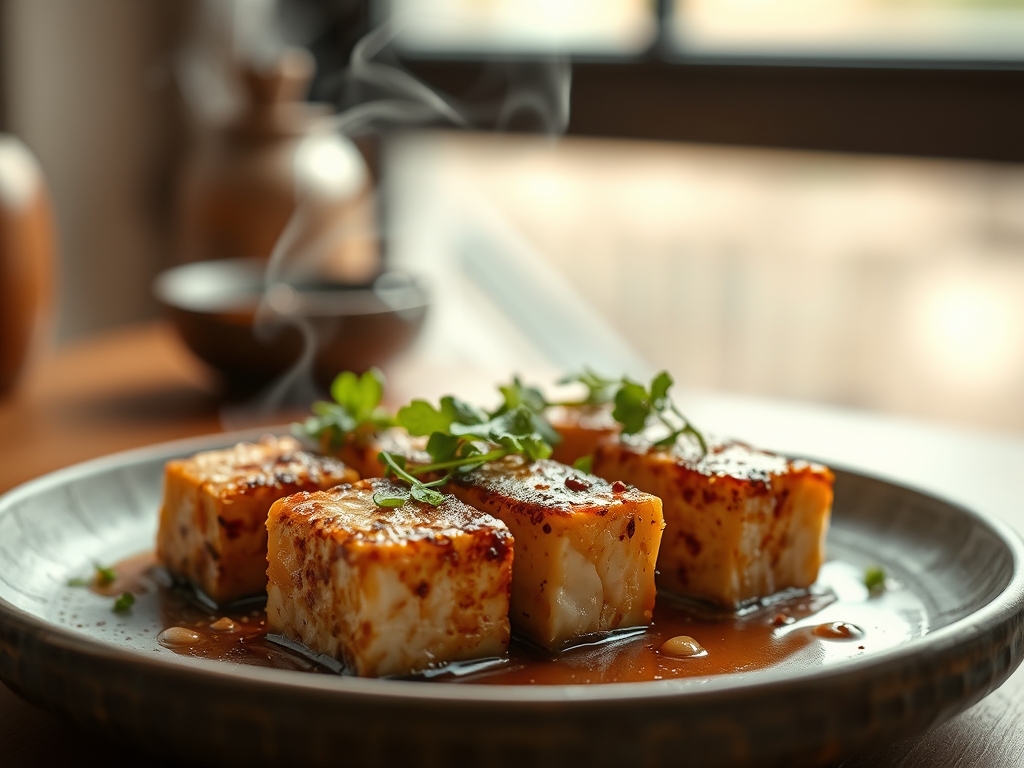
Observe the Masterclass photo. Note the deep amber edges and the slight "blistering" on the flat surfaces. If your tofu looks pale, you likely lacked enough oil or sugar (from the tamari) to trigger browning. If the edges are black but the centers are white, your oven rack was likely too close to the top heating element. Aim for a "honey-oak" hue. If the cubes appear "dusty," you used too much starch and not enough oil to hydrate it. To fix this mid-bake, a light spray of oil can re-integrate the dry starch into a crisp coating.
THE DEEP DIVE
Macro Nutrition Profile
Oven Baked Tofu is a powerhouse of lean efficiency. A standard serving provides approximately 18g of protein, 9g of healthy fats, and 5g of carbohydrates. Because we are baking rather than deep-frying, we avoid the caloric density of excessive oil absorption while maintaining a superior texture.
Dietary Swaps
- Vegan: Naturally compliant.
- Keto: Replace cornstarch with almond flour or crushed pork rinds (if not vegan) for a lower carb count.
- GF: Ensure your tamari is certified gluten-free, as standard soy sauce contains wheat.
Meal Prep & Reheating Science
To maintain molecular structure during storage, do not crowd the tofu in a container while hot; let it cool completely to prevent condensation. To reheat, avoid the microwave, which vibrates water molecules and turns the starch into a gummy mess. Instead, use an air fryer or toaster oven at 190C for 4 minutes to re-dehydrate the exterior.
THE KITCHEN TABLE
Why is my tofu still soft after 30 minutes?
Your oven temperature is likely inaccurate or you skipped the pressing phase. Excess internal moisture will migrate to the surface, neutralizing the crunch. Ensure the tofu is "Super Firm" and your oven is truly at 200C.
Can I use flour instead of cornstarch?
You can, but the result will be heavier and less "shatter-crisp." Cornstarch is pure starch, whereas flour contains protein (gluten) which creates a chewier, bread-like texture rather than a crisp shell.
Does the type of oil matter?
Yes. Use an oil with a high smoke point. Extra virgin olive oil will smoke and turn bitter at 200C. Avocado or grapeseed oil remains stable, allowing for a clean, neutral flavor profile.
How do I get the seasoning to stick?
The oil is your adhesive. By coating the tofu in a thin film of oil before adding dry spices and starch, you create a "glue" that prevents the seasoning from falling off during the flipping process.