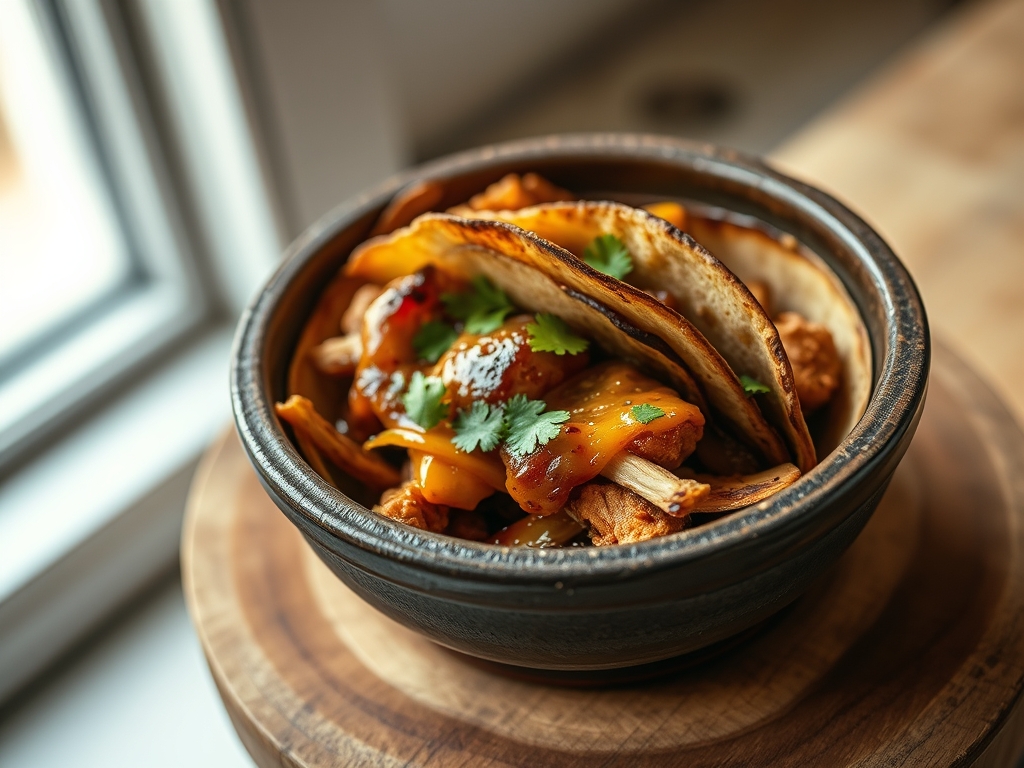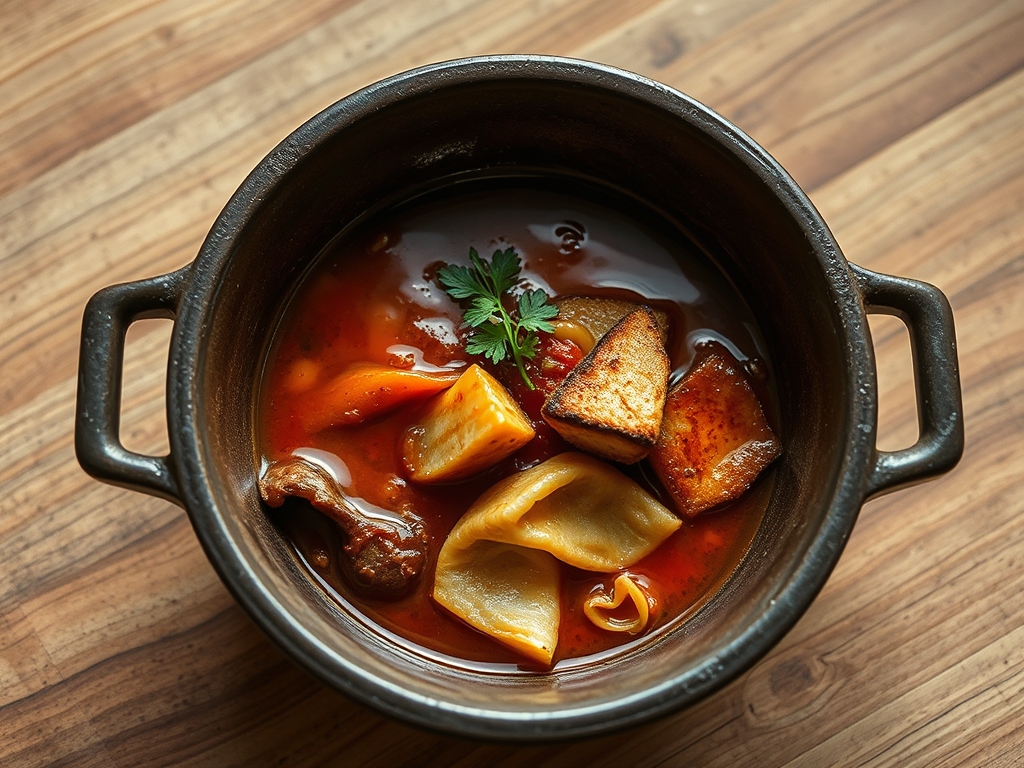
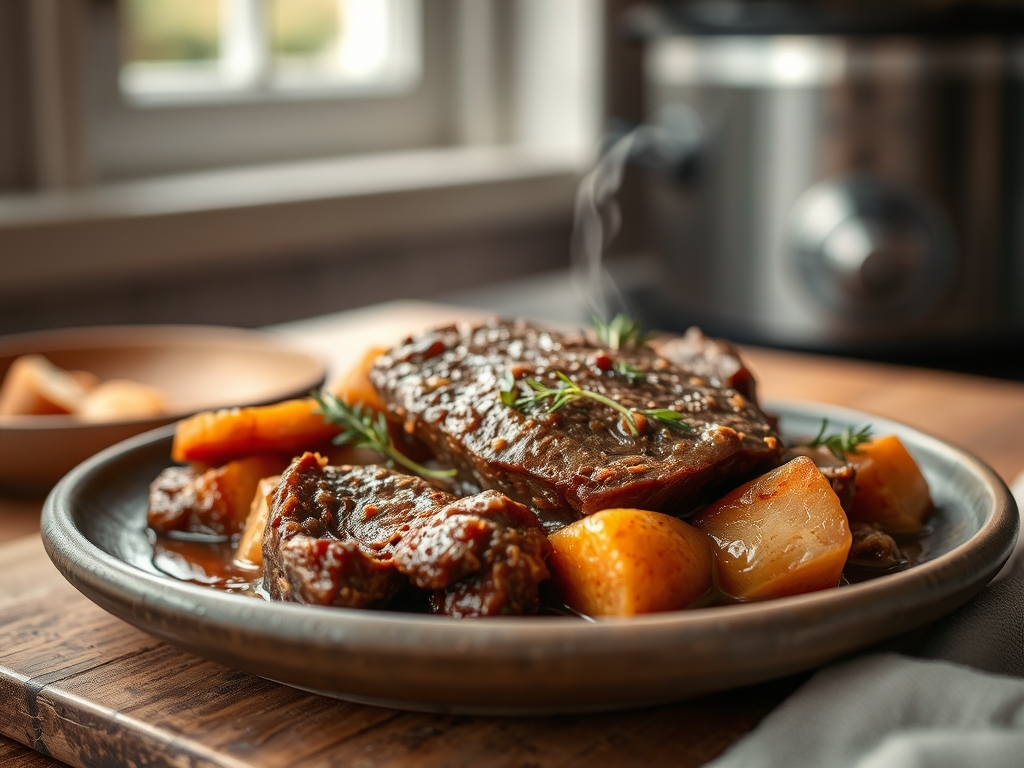
Forget the timid, gray slabs of meat from your childhood memories. We are here to discuss the high-performance engineering of the Slow Cooker Pot Roast. This is not just a meal; it is a structural transformation of connective tissue into a succulent, gelatinous masterpiece. Imagine the kitchen air thick with the scent of toasted allium and savory fat. As the lid lifts, a cloud of steam reveals a landscape of mahogany-hued beef submerged in a viscous, velvet gravy. This is the result of liquid thermal saturation. We are taking a tough, stubborn chuck roast and subjecting it to a controlled, low-temperature environment until the collagen yields to our culinary will. The goal is a fork-tender protein that retains its structural integrity while melting on the tongue. If you are looking for a tepid stew, look elsewhere. We are building a monument to flavor, utilizing the steady, unyielding heat of the slow cooker to achieve a level of tenderness that a standard oven simply cannot replicate without constant surveillance.
THE DATA MATRIX
| Metric | Specification |
|---|---|
| Prep Time | 25 Minutes |
| Execution Time | 8 Hours (Low) / 4 Hours (High) |
| Yield | 6 to 8 Servings |
| Complexity | 3 / 10 |
| Estimated Cost per Serving | $3.50 – $4.75 |
THE GATHERS
Ingredient Protocol:
- 1.4 kg / 3 lbs Chuck Roast (Center Cut)
- 15 ml / 1 tbsp High-Smoke Point Oil (Avocado or Grapeseed)
- 500 ml / 2 cups Beef Bone Broth (Low Sodium)
- 120 ml / 0.5 cup Dry Red Wine (Cabernet or Merlot)
- 30 ml / 2 tbsp Worcestershire Sauce
- 450 g / 1 lb Yukon Gold Potatoes (Quartered)
- 340 g / 0.75 lb Carrots (Thick Batons)
- 1 Large Yellow Onion (Large Dice)
- 4 Garlic Cloves (Smashed)
- 5 g / 1 tsp Dried Thyme
- 5 g / 1 tsp Dried Rosemary
- 15 g / 1 tbsp Tomato Paste
- 30 g / 2 tbsp Cornstarch (for slurry)
- 30 ml / 2 tbsp Cold Water (for slurry)
Section A: Ingredient Quality Audit:
The primary failure point in a Slow Cooker Pot Roast is often the meat selection. If your chuck roast lacks significant intramuscular marbling, the result will be fibrous and dry despite the liquid environment. Audit the fat distribution. Look for white flecks of fat rather than large, thick outer caps. If you find yourself with a lean cut, you must compensate by adding 15 ml of butter during the final hour to emulsify the sauce. Furthermore, check your aromatics. If your carrots are limp or your onions have sprouted, their sugar content has depleted. This results in a dull, metallic undertone. Technical fix: Add 5 g of brown sugar to the braising liquid to restore the necessary glycemic balance and encourage a deeper Maillard-style profile in the slow cooker's humid interior.
THE MASTERCLASS
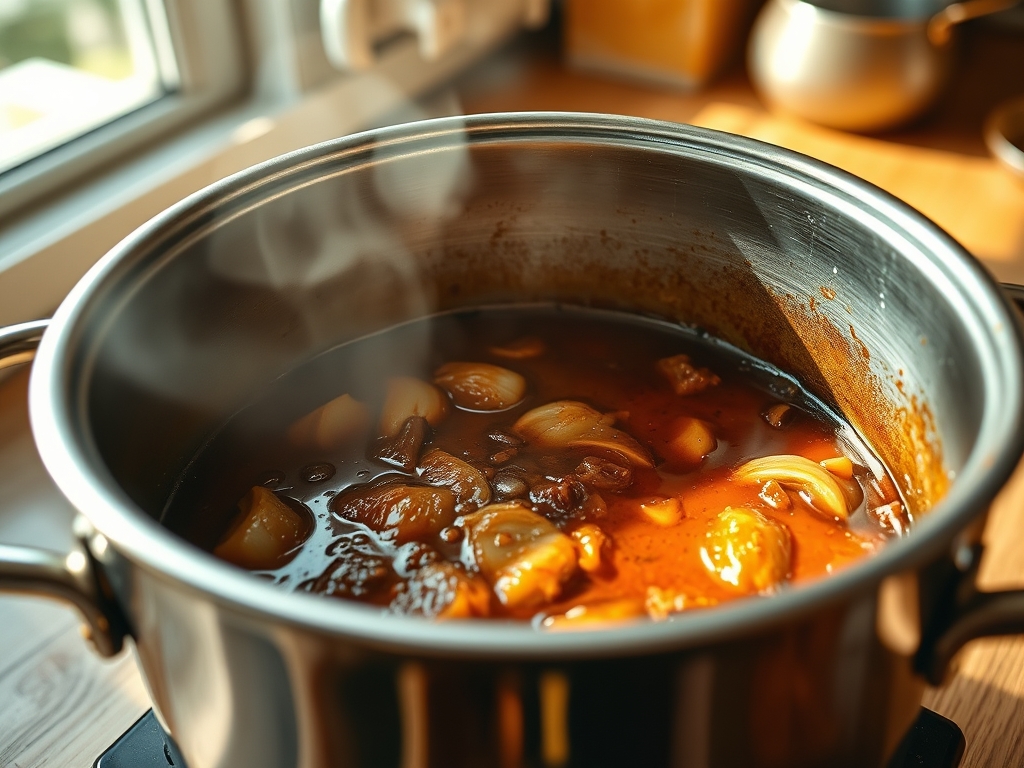
Step 1: The Maillard Initiation
Pat the beef bone-dry with paper towels. Season aggressively with salt and pepper. Heat your oil in a heavy-bottomed stainless steel saucier or cast iron skillet over high heat until it shimmers. Sear the beef for 4 to 5 minutes per side until a dark, crusty bark forms.
Pro Tip: This step is non-negotiable. The slow cooker cannot reach temperatures high enough to trigger the Maillard reaction. By searing first, you create complex flavor molecules that will infuse the entire pot. Use a bench scraper to keep your workstation clean of salt debris during this high-intensity phase.
Step 2: Deglaze and Extract
Remove the beef and place it in the slow cooker. Immediately pour the red wine into the hot skillet. Use a wooden spoon to scrape up the "fond" (the brown bits stuck to the bottom). Add the tomato paste and garlic, stirring for 60 seconds until fragrant.
Pro Tip: Deglazing is an extraction process. Those caramelized bits contain concentrated umami. By using a digital scale to measure your liquids, you ensure the ratio of wine to broth provides the perfect acidity to break down the beef's tough fibers without overpowering the palate.
Step 3: The Thermal Bath
Add the onions, potatoes, and carrots around the beef. Pour the wine mixture, beef broth, and Worcestershire sauce over the top. Sprinkle with herbs. Set the slow cooker to "Low" for 8 hours.
Pro Tip: Resistance is futile. Do not open the lid. Every time you peek, you lose significant thermal energy and moisture. The internal environment must remain saturated. Use a digital probe thermometer if your unit allows for it; you are looking for an internal temperature of 90 degrees Celsius (195 degrees Fahrenheit) for optimal collagen breakdown.
Step 4: The Viscosity Adjustment
Once the timer expires, remove the beef and vegetables. Whisk the cornstarch and cold water into a slurry. Switch the slow cooker to "High" and whisk the slurry into the remaining liquid. Let it bubble for 10 minutes until it becomes a viscous, glossy glaze.
Pro Tip: A professional finish requires a uniform sauce. If the sauce appears broken or oily, use an immersion blender to aerate and emulsify the fats back into the liquid. This creates a silkier mouthfeel that coats the back of a spoon perfectly.
Section B: Prep & Timing Fault-Lines:
The most common human error is the "High Heat Shortcut." While you can cook a roast in 4 hours on high, the muscle fibers often contract too violently, squeezing out moisture before the collagen has a chance to liquefy. This results in "pot roast tumbleweeds" that are dry despite being wet. If you are behind schedule, do not crank the heat. Instead, slice the meat into smaller 2-inch cubes before searing to increase the surface area and accelerate thermal penetration without sacrificing texture.
THE VISUAL SPECTRUM
Section C: Thermal & Visual Troubleshooting:
Referencing the Masterclass photo, notice the deep, mahogany saturation of the carrots and the glossy sheen of the sauce. If your roast looks gray or "boiled," you skipped the searing phase or over-crowded the pan. If the vegetables are mushy and colorless, they were likely cut too small. Aim for 2-inch chunks to survive the 8-hour cycle. If the sauce looks dull, it lacks acidity. A splash of red wine vinegar or a squeeze of lemon just before serving will deglaze the palate and brighten the visual appearance of the gravy. The potatoes should hold their shape but yield instantly to a fork; if they are shattering, you used Russets instead of the waxy Yukon Gold variety.
THE DEEP DIVE
Macro Nutrition Profile:
A standard 250g serving provides approximately 450 calories, 35g of protein, 22g of fat, and 28g of carbohydrates. The high collagen content provides significant amino acids like glycine and proline, which are essential for connective tissue health.
Dietary Swaps:
- Vegan: Replace chuck roast with large heads of cauliflower or "Lion's Mane" mushrooms. Use vegetable demi-glace and soy sauce instead of beef broth and Worcestershire.
- Keto: Omit the potatoes and carrots. Replace with radishes (which lose their peppery bite when slow-cooked) and celery root.
- Gluten-Free: Ensure your Worcestershire sauce is certified GF and use arrowroot powder instead of cornstarch for the thickening slurry.
Meal Prep & Reheating Science:
To maintain molecular structure during reheating, avoid the microwave. The localized high-frequency waves cause the proteins to tighten and become rubbery. Instead, reheat in a small pot over medium-low heat with a tablespoon of water or broth. This creates a secondary steam environment that re-hydrates the fibers. If freezing, submerge the meat entirely in the sauce to prevent freezer burn and oxidation of the fats.
THE KITCHEN TABLE
Why is my pot roast tough after 8 hours?
You likely chose a cut with too little fat or the temperature was too low. If it is still tough, it actually needs more time. Collagen requires sustained heat to transform into gelatin. Give it another hour.
Can I put frozen meat in the slow cooker?
Negative. This is a safety hazard. The meat will spend too much time in the "danger zone" (4 to 60 degrees Celsius) where bacteria thrive. Always thaw your protein completely before the Maillard initiation.
Do I have to use wine?
While the acidity of wine helps tenderize the beef, you can substitute it with 120ml of beef broth mixed with 15ml of balsamic vinegar. This provides the necessary piquant notes without the alcohol content.
My sauce is too salty. How do I fix it?
Add a peeled, halved potato to the pot for the final 30 minutes. The starch will absorb some of the excess sodium. Alternatively, dilute with a splash of water and a pinch of sugar to balance the profile.