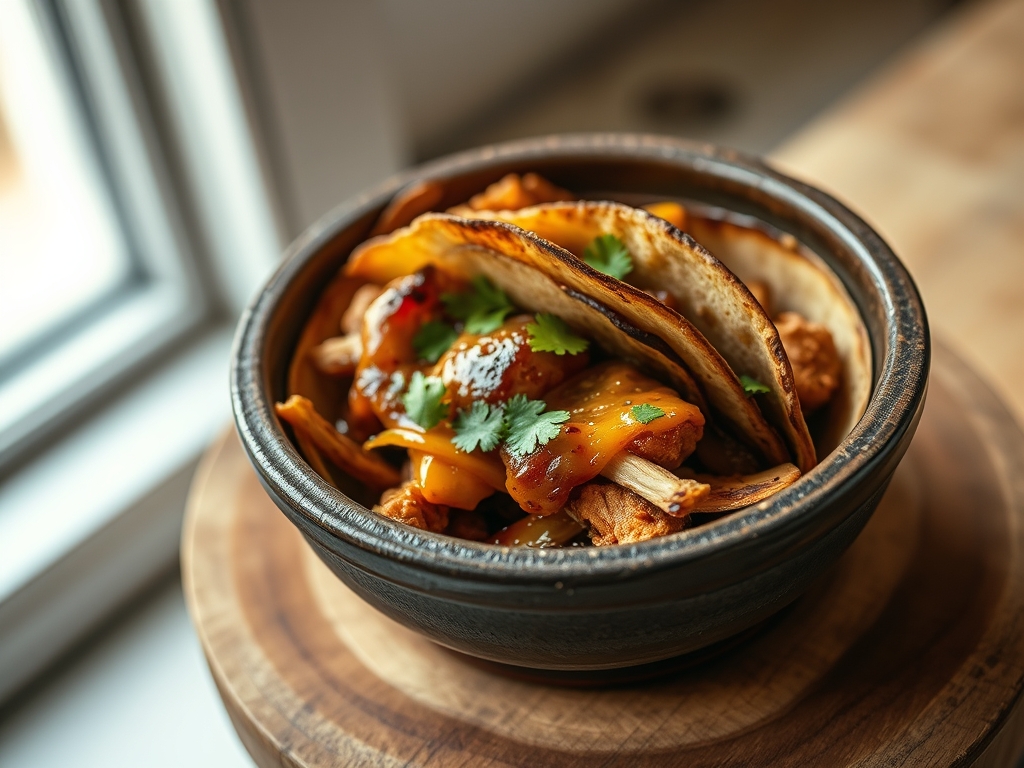
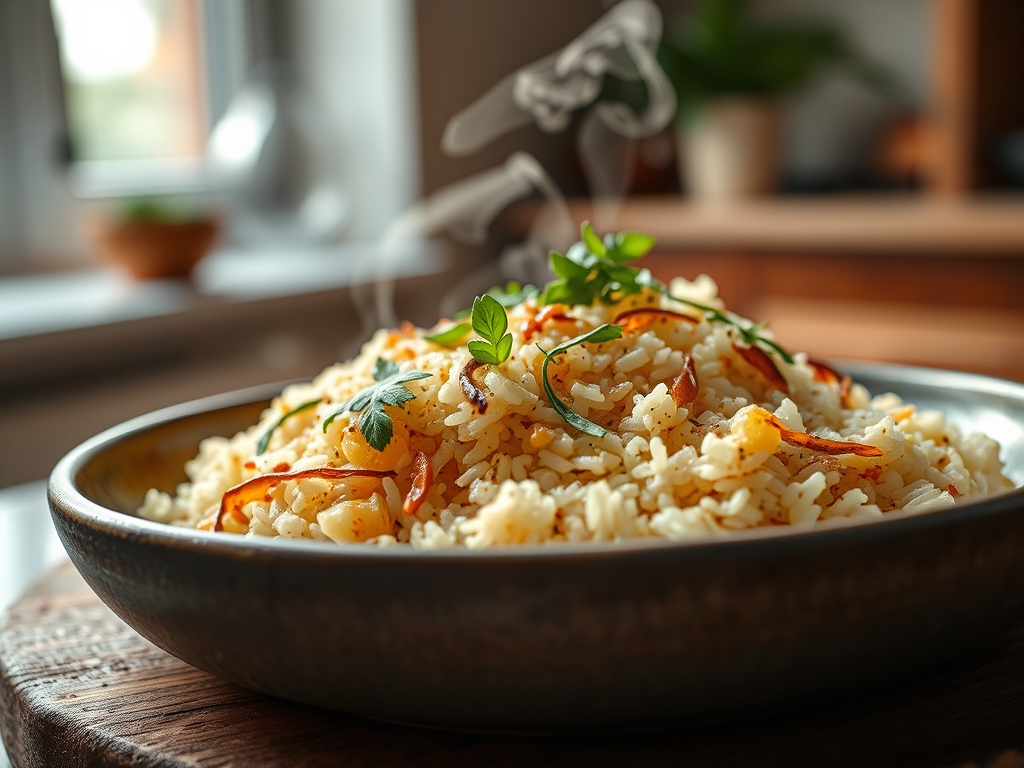
Welcome to the high stakes arena of the professional starch audit. If you have ever stared into a five gallon cambro of cold, clumpy grains and felt a sense of existential dread, you are in the right place. We are here to talk about Batch Prepped Rice; the unsung backbone of the industrial kitchen and the ultimate test of your thermal management skills. This is not about boiling a pot of water and hoping for the best. This is about the precise manipulation of amylose and amylopectin to ensure that every single grain remains distinct, firm, and ready for its second life in a searing wok or a luxurious pilaf. When handled with the authority of a master technician, this humble grain transforms from a soggy liability into a versatile asset that can be deployed at a moment's notice. We are looking for that perfect "pearl" texture where the exterior is taut and the interior is tender. Anything less is a failure of infrastructure. Let us dive into the data and optimize your grain output.
THE DATA MATRIX
| Metric | Specification |
|---|---|
| Prep Time | 10 Minutes |
| Execution Time | 25 Minutes |
| Yield | 1.5 kg / 6 Cups |
| Complexity (1-10) | 3 |
| Estimated Cost per Serving | $0.18 |
THE GATHERS
Ingredient Protocol:
- 750g / 3.75 cups Long-Grain White Rice (Jasmine or Basmati)
- 1.1 Liters / 4.6 cups Filtered Water
- 15g / 1 tbsp Kosher Salt
- 30ml / 2 tbsp Neutral Oil (Grapeseed or Avocado)
- 1 Bay Leaf (Optional for aromatic infusion)
Section A: Ingredient Quality Audit:
If your raw rice smells dusty or looks opaque rather than translucent, you are starting with a deficit of quality. Sub-par grains often contain excess surface starch that will lead to a viscous mess during the steaming phase. To fix this, you must perform a triple-rinse cycle until the effluent water is crystal clear. If your water source is high in mineral content, it can affect the gelatinization temperature; use filtered water to ensure a consistent infuse of hydration. If the grains are breaking, your rice is likely old and brittle. In this case, reduce the water ratio by 5% to prevent the grains from blowing out and losing their structural integrity.
THE MASTERCLASS
Step-by-Step Execution:
1. The Frictionless Rinse
Place your dry rice into a fine-mesh sieve and submerge it in a large bowl of cold water. Agitate the grains vigorously with your hands to aerate the starch and release surface impurities. Lift the sieve, dump the cloudy water, and repeat this process exactly three times.
Pro Tip: Use a digital scale to measure your rice and water by weight rather than volume. Volumetric measurements are prone to human error due to the settling of grains. Precision weighing ensures that your hydration ratio remains constant across every single batch.
2. The Lipid Coating
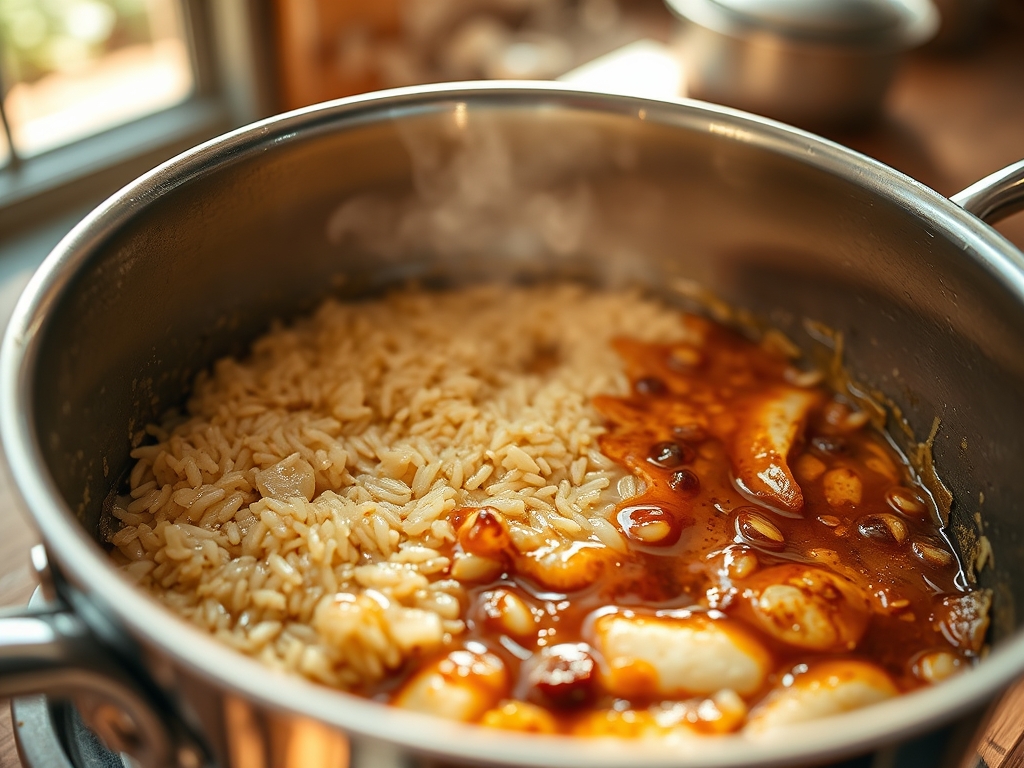
In a heavy-bottomed saucier, heat your neutral oil over medium heat. Add the drained rice and toast it for 2 to 3 minutes. You are looking for the grains to turn a bright, chalky white and smell slightly nutty. This process, known as "pearlage," coats each grain in fat to prevent sticking.
Pro Tip: Toasting the rice initiates a mild Maillard reaction on the surface. This creates a hydrophobic barrier that regulates moisture absorption, ensuring the grains stay separate even after being refrigerated for 48 hours.
3. The Controlled Hydration
Add the filtered water, salt, and bay leaf to the pot. Bring the mixture to a rapid boil, then immediately reduce the heat to the lowest possible setting. Cover with a tight-fitting lid to trap every gram of steam within the vessel.
Pro Tip: Use a bench scraper to ensure no stray grains are stuck to the sides of the pot above the water line. Grains left high and dry will remain hard and ruin the uniform texture of your Batch Prepped Rice.
4. The Thermal Rest
After 15 minutes of simmering, remove the pot from the heat source but do not open the lid. Let it sit undisturbed for 10 minutes. This allows the residual steam to distribute evenly, finishing the cook without the risk of scorching the bottom.
Pro Tip: This resting phase allows the starch molecules to begin the process of retrogradation. This makes the grains more resilient to the mechanical stress of being fluffed and stored.
5. The Rapid Cooling Protocol
Spread the cooked rice onto a large sheet pan in a thin, even layer. Use a fork or a rice paddle to gently fluff the grains, being careful not to mash them. Place the tray in front of a fan or in a blast chiller to drop the temperature as quickly as possible.
Pro Tip: Speed is of the essence here. Rapid cooling prevents the formation of large ice crystals and inhibits bacterial growth. A digital probe thermometer should confirm the rice has reached 40 degrees Fahrenheit (4 degrees Celsius) before it is moved into long-term storage containers.
Section B: Prep & Timing Fault-Lines:
The most common failure in Batch Prepped Rice is the "mush factor" caused by over-hydration or excessive agitation while hot. If your timing is off and the rice sits in the pot too long, the bottom layer will overcook and become a gummy paste. If you find yourself in this situation, do not mix the pot. Salvage the top layers and discard the bottom. If the rice is undercooked, do not simply add more water; instead, spray the surface with a fine mist of water and cover it tightly for an additional five-minute steam.
THE VISUAL SPECTRUM
Section C: Thermal & Visual Troubleshooting:
Referencing the masterclass photo, your rice should exhibit a distinct "loft." If the rice looks flat or heavy, you likely skipped the rinsing phase or used too much water. If you see yellowing or dull colors, your storage container was not airtight, leading to oxidation. Uneven browning is a sign that your heat source was not centered under your saucier during the toasting phase. The ideal visual cue is a gentle sheen on each grain, indicating that the lipid coating is intact and the starch has not leached out to create a matte, sticky finish.
THE DEEP DIVE
Macro Nutrition Profile
Batch Prepped Rice is a clean carbohydrate source. Per 150g serving, you are looking at approximately 200 calories, 4g of protein, 0.5g of fat (depending on your oil usage), and 45g of complex carbohydrates. It is a low-sodium, gluten-free fuel source that provides stable energy without the insulin spikes associated with simple sugars.
Dietary Swaps
For a Vegan profile, ensure you are using plant-based oils or coconut fat for added aroma. For a Keto alternative, you must swap the grain entirely for riced cauliflower, though the cooking time will drop to a mere 3 minutes. For a higher fiber GF option, utilize brown rice, but increase your water ratio to 2:1 and extend the simmer time to 40 minutes.
Meal Prep & Reheating Science
The secret to reheating Batch Prepped Rice lies in the molecular structure of the starch. When rice cools, it undergoes retrogradation, where the starch chains realign into a crystalline structure. To reverse this and make the rice tender again, you must introduce a small amount of moisture (a tablespoon of water) and heat it covered. This "re-gelatinizes" the starch, returning it to its original soft state without making it soggy.
THE KITCHEN TABLE
How long does batch rice stay fresh?
When stored in an airtight container at or below 40 degrees Fahrenheit, your rice will maintain its structural integrity for 4 to 6 days. Always perform a sensory check for any off-smells or slimy textures before service.
Can I freeze batch prepped rice?
Absolutely. Portion the cooled rice into freezer bags and press them flat to remove air. This prevents freezer burn and allows the rice to thaw quickly. It can be reheated directly from frozen in a microwave or steamer.
Why is my rice always sticking to the pan?
This is usually a failure of the lipid coating or using a pot with a thin base. A heavy-bottomed saucier distributes heat evenly, preventing hot spots that cause the starch to fuse to the metal surface.
Does the type of rice really matter?
Yes. Short-grain rice has more amylopectin, making it naturally sticky (ideal for sushi). Long-grain rice has more amylose, which is essential for the fluffy, individual grain separation required for successful Batch Prepped Rice.