Forget the soggy, uninspired noodles of your childhood basement; we are here to rebuild a maritime classic from the floorboards up. This is not just a meal. It is a high-velocity deployment of pantry assets designed to satisfy the most demanding palate under extreme time constraints. We are conducting a comprehensive Tuna Pasta Audit to ensure your kitchen operates at peak efficiency without sacrificing the structural integrity of your sauce or the bite of your starch. Imagine the sizzle of garlic hitting shimmering oil, the sharp scent of capers cutting through the air, and the rich, savory depth of high-quality tinned fish transforming into a silky emulsion. We are looking for a specific tension between the brine of the sea and the warmth of toasted aromatics. Every gram of salt and every milliliter of pasta water must be accounted for in this culinary ledger. If your current seafood pasta lacks the architectural stability to hold a sauce, you are failing the audit. It is time to recalibrate your stove and sharpen your technique for a total flavor overhaul.
THE DATA MATRIX
| Metric | Specification |
|---|---|
| Prep Time | 5 Minutes |
| Execution Time | 12 Minutes |
| Yield | 4 Servings |
| Complexity (1-10) | 3 |
| Estimated Cost per Serving | $2.75 USD |
THE GATHERS
Ingredient Protocol:
- 400g / 14oz Dried Spaghetti or Bucatini
- 2 x 160g / 5.6oz Cans of Tuna in Olive Oil (Solid Light or Albacore)
- 60ml / 4 tbsp Extra Virgin Olive Oil
- 4 Large Garlic Cloves (Thinly sliced)
- 5g / 1 tsp Red Chili Flakes
- 30g / 2 tbsp Non-pareil Capers (Drained)
- 15g / 1 tbsp Anchovy Paste or 3 Fillets
- 1 Large Lemon (Zested and juiced)
- 50g / 1/2 cup Fresh Flat-leaf Parsley (Roughly chopped)
- Optional: 30g / 1/4 cup Toasted Breadcrumbs (For structural crunch)
Section A: Ingredient Quality Audit:
Sub-par raw materials are the primary cause of systemic flavor failure. If your tuna smells excessively metallic, it likely suffered from poor canning thermals; mitigate this by adding a double dose of lemon juice to neutralize the amines. If using tuna in water instead of oil, you must compensate for the lack of lipid depth by increasing your olive oil input by 20ml to ensure the sauce can properly emulsify. If your garlic shows green sprouts, remove the germ to prevent a bitter aftertaste that will corrupt the delicate seafood profile. Always check the "best by" date on your dried pasta. Stale starch loses its ability to release the necessary amylose required to bind the sauce.
THE MASTERCLASS
1. Hydration and Starch Management
Bring 4 liters of water to a rolling boil in a large stockpot. Season with 30g of kosher salt until it tastes like the Mediterranean. Drop your pasta and set a timer for 2 minutes less than the package instructions. Use a digital scale to ensure your pasta-to-water ratio remains consistent.
Pro Tip: Undercooking the pasta slightly allows it to finish its hydration cycle inside the sauce, absorbing the seasoned liquid rather than just being coated by it. This is the secret to deep flavor penetration.
2. The Aromatic Foundation
While the pasta boils, place a heavy-bottomed saucier over medium heat. Add the olive oil and the oil drained from the tuna cans. Add the sliced garlic and chili flakes. Sauté until the garlic is translucent and fragrant, but not browned.
Pro Tip: Cold-starting your garlic in the oil allows the flavor to infuse more deeply without scorching the exterior of the cloves. This creates a mellow, sweet base rather than a sharp, burnt one.
3. Protein Integration and Rendering
Add the anchovy paste to the oil and stir until it dissolves. Add the drained tuna and capers. Use a bench scraper or a wooden spoon to break the tuna into large, meaty chunks. Increase the heat slightly to render out any excess moisture from the fish.
Pro Tip: Allowing the tuna to fry slightly in the oil creates a Maillard reaction on the edges of the fish, adding a nutty complexity that contrasts with the piquant capers.
4. The Emulsion Protocol
Before draining the pasta, reserve 250ml of the cloudy pasta water. Transfer the noodles directly into the saucier using tongs. Pour in half of the pasta water and the lemon juice. Toss vigorously over high heat to aerate the mixture and create a viscous sauce.
Pro Tip: The friction of tossing combined with the starch in the water creates a natural emulsion with the oil. This binds the sauce to the noodle, preventing a pool of oil at the bottom of the bowl.
5. Final Calibration and Finishing
Turn off the heat. Fold in the lemon zest and fresh parsley. If the sauce looks too dry, add the remaining pasta water 30ml at a time until the noodles look glossy and lubricated. Taste and adjust for salt.
Pro Tip: Adding fresh herbs at the very end preserves their volatile oils and bright green color, providing a visual and olfactory contrast to the rich, savory tuna.
Section B: Prep & Timing Fault-Lines:
The most common point of failure is "The Gap." This occurs when the pasta is ready before the sauce foundation is built. If pasta sits in a colander, it begins to stick and lose its surface starch. Always ensure your aromatics are already shimmering before the pasta reaches its halfway mark. If your kitchen temperature is low, pre-warm your serving bowls to prevent the lipid-heavy sauce from seizing upon contact with the ceramic.
THE VISUAL SPECTRUM
Section C: Thermal & Visual Troubleshooting:
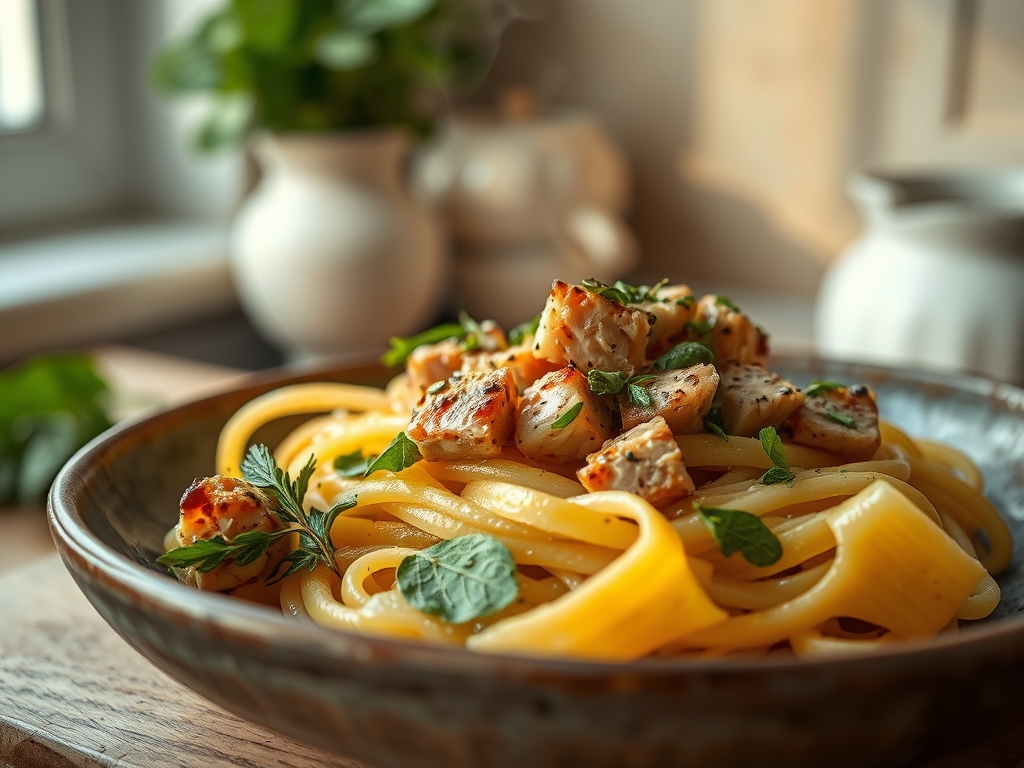
Referencing the Masterclass photo, your final output should exhibit a high-gloss finish without being greasy. If the dish looks dull or "matte," you lack sufficient pasta water or fat; whisk in a splash of hot water and a drizzle of oil immediately. If the tuna has disintegrated into a grey paste, you over-stirred during the rendering phase. Aim for distinct "flakes" of protein. If your parsley appears wilted or dark brown, the residual heat of the pan was too high when it was added. The visual goal is a vibrant interplay of golden oil, bright green herbs, and the pale pink of high-quality tuna.
THE DEEP DIVE
Macro Nutrition Profile:
A standard serving provides approximately 550 calories, 35g of protein, 65g of carbohydrates, and 18g of healthy fats. It is a high-octane fuel source rich in Omega-3 fatty acids and Vitamin B12.
Dietary Swaps:
- Vegan: Replace tuna with mashed chickpeas and anchovy paste with miso or seaweed flakes for that essential umami hit.
- Keto: Swap spaghetti for zucchini noodles or shirataki. Reduce pasta water and use a touch of heavy cream to thicken.
- GF: Utilize high-quality brown rice or quinoa pasta. Be cautious, as GF pasta water often contains more starch and may require extra thinning.
Meal Prep & Reheating Science:
To maintain molecular structure when reheating, avoid the microwave. The high-intensity waves cause the tuna to "pop" and the oil to separate. Instead, reheat in a pan with two tablespoons of water to re-emulsify the sauce. This restores the creamy texture without overcooking the protein.
THE KITCHEN TABLE
Why is my tuna pasta always dry?
You are likely missing the starch-water emulsion. Always reserve more pasta water than you think you need. The noodles will continue to soak up moisture even after you plate the dish.
Can I use tuna in water for this?
Yes, but you must compensate. Increase the extra virgin olive oil by at least two tablespoons. Tuna in water lacks the necessary lipids to create a silky mouthfeel and can often taste "chalky" without extra fat.
What is the best pasta shape?
Long, thin strands like spaghetti or linguine are optimal. They provide more surface area for the oil-based sauce to cling to. Short shapes like penne tend to trap too much tuna inside the tubes, disrupting the balance.
How do I make it spicier?
Do not just add more flakes at the end. Infuse the chili flakes in the oil at the very beginning. This extracts the fat-soluble capsaicin, ensuring the heat is distributed evenly throughout the entire sauce matrix.