Imagine a ceramic vessel humming with silent, kinetic energy as it transforms humble pulses into a liquid masterpiece. We are not merely making dinner; we are managing a complex hydration event within a controlled thermal environment. The Slow Cooker Lentil Soup is the gold standard of passive culinary infrastructure. It represents the perfect intersection of low-effort logistics and high-impact flavor profiles. When you lift that lid, you are met with a steam plume that carries the scent of earthy polyphenols and rendered aromatics. The lentils should be tender but structurally sound; they must resist total cellular collapse while surrendering their starches to create a naturally viscous broth. This is an exercise in patience and precision. We are optimizing the slow-motion dance of water molecules as they penetrate the tough exterior of the legume. Forget the frantic sautéing of the stovetop. Here, we embrace the long game. We are building a foundation of flavor that is deep, piquant, and undeniably comforting. Let us audit your pantry and calibrate your hardware for the ultimate bowl of liquid gold.
THE DATA MATRIX
| Metric | Specification |
|---|---|
| Prep Time | 15 Minutes |
| Execution Time | 4 Hours (High) / 7 Hours (Low) |
| Yield | 6 Standard Servings (approx. 2.4 Liters) |
| Complexity | 2 / 10 (Entry Level Infrastructure) |
| Estimated Cost per Serving | $0.85 USD |
THE GATHERS
Ingredient Protocol:
- 450g / 2 cups Brown or Green Lentils (rinsed and sorted)
- 1.4L / 6 cups Low-Sodium Vegetable or Chicken Stock
- 200g / 1.5 cups Yellow Onion (finely diced)
- 150g / 1 cup Carrots (peeled and sliced into rounds)
- 120g / 1 cup Celery (diced)
- 30g / 4 cloves Garlic (minced)
- 15ml / 1 tbsp Extra Virgin Olive Oil
- 5g / 1 tsp Smoked Paprika
- 2g / 0.5 tsp Ground Cumin
- 1 Large Bay Leaf
- 150g / 2 cups Fresh Spinach or Kale (destemmed)
- 15ml / 1 tbsp Fresh Lemon Juice (for acidity correction)
- Salt and Black Pepper to taste
Section A: Ingredient Quality Audit:
The primary failure point in any Slow Cooker Lentil Soup is the age of the legumes. Old lentils develop a "hard shell" defect where the pectin in the cell walls becomes insoluble; no amount of heat will soften them. If your lentils have been in the pantry since the last fiscal quarter, discard them. Furthermore, check your stock quality. If using a bouillon cube, ensure it is not past its expiration, as the fats can go rancid and create a soapy aftertaste. If your carrots feel rubbery, they have lost their cellular turgor pressure; soak them in ice water for 30 minutes before dicing to restore their snap and sweetness.
THE MASTERCLASS
1. The Aromatic Foundation
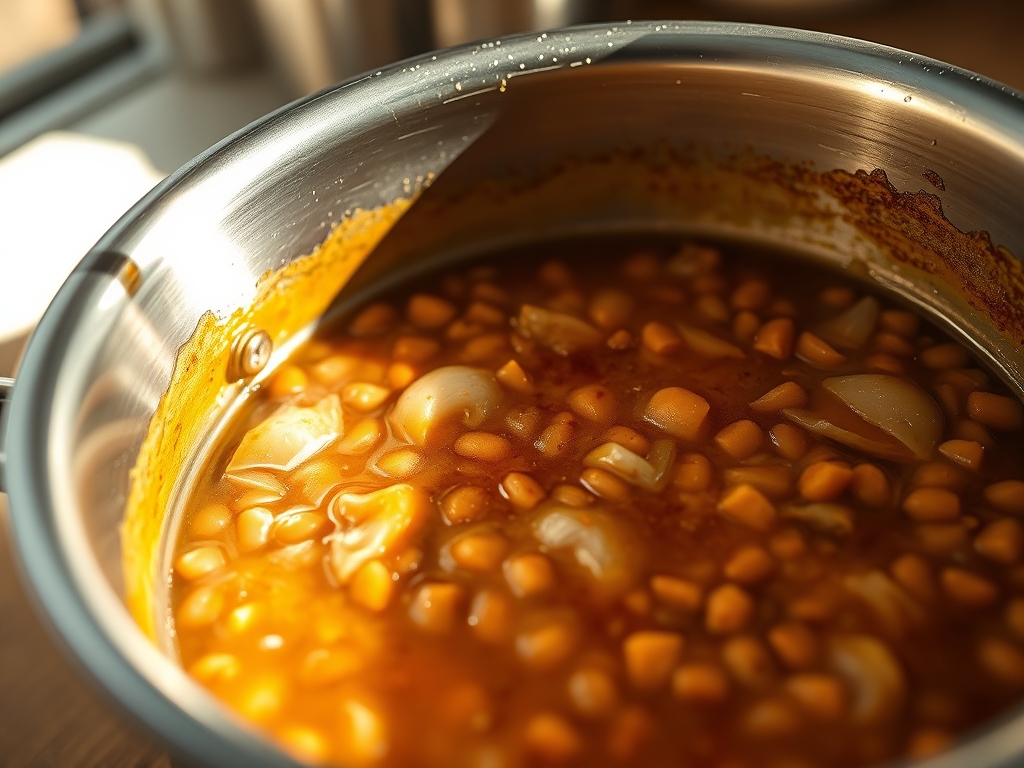
Begin by prepping your mirepoix (onion, carrot, celery) using a sharp chef knife and a stabilized cutting board. While many recipes suggest throwing everything in cold, we recommend a quick 5-minute render in a saucier or skillet with the olive oil before adding to the slow cooker. This initiates the Maillard reaction, creating complex flavor compounds that the slow cooker cannot produce on its own due to low temperatures.
Pro Tip: Use a digital scale to measure your aromatics. Consistency in mass ensures that no single flavor dominates the broth profile.
2. The Hydration Sequence
Transfer your softened aromatics into the ceramic insert. Add the rinsed lentils, spices, and stock. Use a bench scraper to easily transport your chopped vegetables from the board to the pot without losing a single gram of product. Ensure the bay leaf is submerged to allow the essential oils to infuse the liquid effectively.
Pro Tip: Do not add salt at this stage. High sodium concentrations can interfere with the hydration kinetics of the lentil skin, potentially leading to a tough texture. Save the salt for the final calibration.
3. Thermal Programming
Secure the lid and set your device to the "Low" setting for 7 hours or "High" for 4 hours. The "Low" setting is preferred for structural integrity. This allows for a gentle emulsification of the vegetable sugars and legume starches without the violent agitation of a rolling boil.
Pro Tip: Use an infrared thermometer to verify your slow cooker's "Keep Warm" setting. It should maintain a temperature above 60 degrees Celsius to prevent bacterial proliferation.
4. The Texture Refinement
Once the timer expires, assess the viscosity. If you prefer a creamier texture, take an immersion blender and pulse it 3 or 4 times directly in the pot. This will aerate a small portion of the soup and release internal starches to thicken the broth without the need for flour or heavy creams.
Pro Tip: If using an immersion blender, ensure the blade guard is fully submerged to avoid introducing unwanted air bubbles that can oxidize the vibrant colors of the vegetables.
5. Acidic Calibration and Green Integration
Stir in the fresh spinach or kale. The residual heat is sufficient to wilt the greens without destroying their chlorophyll. Finally, add the lemon juice. The citric acid will deglaze the palate and brighten the earthy notes of the cumin and paprika.
Pro Tip: Always add acidic components at the very end. Acid can prevent lentils from softening if added too early in the thermal cycle.
Section B: Prep & Timing Fault-Lines:
The most common human error is the "Lid Peeking" syndrome. Every time the lid is removed, the internal temperature drops significantly, adding approximately 20 minutes to the required cook time. Trust your hardware. If you find the soup is too watery at the end of the cycle, remove the lid and cook on "High" for an additional 30 minutes to facilitate evaporation. If the lentils are mushy, you likely overshot the "High" setting; next time, calibrate your timing by checking the pulses at the 3.5-hour mark.
THE VISUAL SPECTRUM
Section C: Thermal & Visual Troubleshooting:
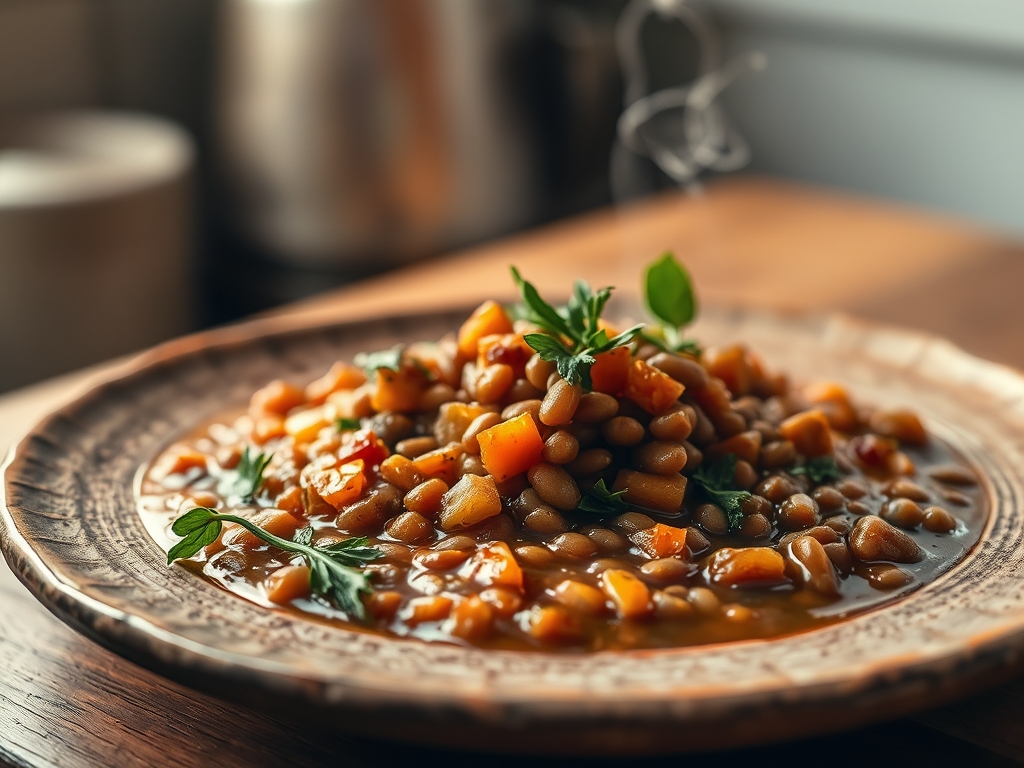
Referencing the Masterclass photo, your soup should exhibit a rich, amber-brown hue with distinct pops of orange from the carrots and vibrant green from the spinach. If your soup looks "muddy" or gray, you likely overcooked the greens or used a stock with too much artificial coloring. If the lentils appear shriveled rather than plump, they were likely under-hydrated; ensure the liquid level is at least two inches above the solids at the start of the cook. To fix a dull appearance, a final drizzle of high-quality olive oil will create a specular highlight on the surface, making the dish look as professional as it tastes.
THE DEEP DIVE
Macro Nutrition Profile:
A standard serving provides approximately 280 calories, 18g of protein, 40g of carbohydrates, and 12g of dietary fiber. It is a high-satiety, low-glycemic index meal designed for sustained energy release.
Dietary Swaps:
- Vegan: This recipe is inherently vegan if using vegetable stock.
- Keto: Replace lentils with cauliflower florets and increase the fat content with heavy cream or coconut milk (though the "lentil" essence will be lost).
- GF: Naturally gluten-free; ensure your stock is certified.
Meal Prep & Reheating Science:
Lentil soup is a rare example of a system that improves over time. As it cools, the starches undergo retrogradation, thickening the liquid further. When reheating, add a splash of water or stock to restore the original viscosity. Use a microwave-safe glass container to avoid chemical leaching from plastics during high-heat reheating.
THE KITCHEN TABLE
Can I use red lentils instead?
Red lentils lack the structural hull of green or brown varieties. They will disintegrate into a thick puree. Use them only if you desire a porridge-like consistency rather than a structured soup.
Why are my lentils still crunchy?
This is usually caused by old pulses or adding salt/acid too early. To fix, continue cooking on "High" and add a pinch of baking soda to increase the pH and help break down the hemicellulose.
How long does this keep?
The infrastructure holds for 5 days in the refrigerator. For long-term storage, freeze in airtight containers for up to 3 months. The molecular structure remains stable during the freezing process.
Do I need to soak the lentils?
No. Unlike larger beans, lentils have a high surface-area-to-volume ratio. They hydrate efficiently within the standard slow cooker timeframe without a preliminary soak. Just rinse to remove field dust.